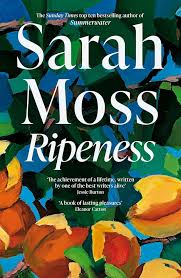
What a lovely novel this is, from someone writing at the top of their game. Structurally and stylistically, it’s a treat, with alternating sections telling the stories of the same character, Edith, fifty years apart. The younger Edith tells her own story, in the first person, through the device of a lengthy letter to a child, to be read in the future, explaining the circumstances of the child’s birth and subsequent life. The sections dealing with the older Edith are set in rural Ireland and are told in the third person.
The sense of a whole life is given real substance by this technique, with the gaps and inconsistencies generating as much authenticity as the threads that clearly stretch unbroken through the fifty years that separate the two portrayals. What is the relationship between each of us and our younger selves? How much of our lives could have been predicted by the clues provided by our beginnings?
The book uses the two settings, 1960s Como and Ireland in the 2020s, to explore some weighty themes: Antisemitism and the fallout from the holocaust, refugees and immigration, what constitutes nationality and a sense of belonging, family bonds, conventionality versus bohemianism. All of it, though, is firmly rooted in character, relationships and drama. There are two major plot strands, but plot is not the narrative driver here.
It’s Moss’ gorgeous prose that drives the reader on. Well, this reader anyway. (although in the second half, there were a couple of occasions when I felt the reflective lyrical writing slowed the narrative down. I’m nitpicking, but hence the four stars, rather than 5). Beautiful descriptions of both the countryside around Como and small town/village life in the Republic are subtly blended with Edith’s reflections on first growing up and then getting old. Both are done brilliantly – her awkward, self conscious sense of being out of her depth in the artistic commune in Tuscany is as wonderful as her sense of self and certainty as an older single woman still grasping life with both hands. It’s a very compelling portrayal of that truth that one of the joys of later life is the liberation of not giving a toss what other people make of you, and doing it without being a boor or a reactionary old fart.
Honestly, this is a must read book. Beautiful and thought provoking.
This novel should be number one on your summer reading list this year
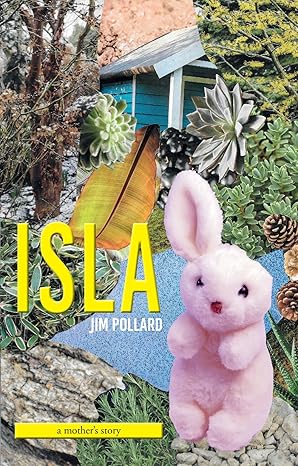
Isla, the new novel from award winning writer, Jim Pollard, is a real treat. It tells the story of Isla Shaw, a student in London in 1983, taking us through the formative events of her life up until 2018. She shuttles between London and Paris between those years, in pursuit of jobs, relationships and some sense of meaning and contentment. It’s an intricate portrayal of a life as a series of seemingly random yet connected scenes, with twists and turns resulting from decisions taken or not. There’s no smooth character arc here. Stuff happens and Isla deals with it, sometimes well, sometimes disastrously, but always with a sense of being true to herself.
The random nature of life is emphasised by Pollard’s clever use of structure. After a fairly conventional linear opening, the story splinters into pieces taken from the immediate future and the medium-term future. The reader is left to do a lot of work reconstructing events, trying to ascribe cause and effect in the relationship between events. Occasionally the reader is given a banister to hold on to, when a chapter is headed by a date and a location, but you soon get used to not being able to rely on that every time.
The book is set up to deliver a story of how someone can recover from a devastating event in her life, charting her progress through the aftermath, but then, without warning, it does a somersault and shifts into detective mystery territory. The shift comes out of the blue, and revitalises the narrative drive of the story.
There are many notable pleasures in the novel. The evocation of Paris seen from the perspective of a damaged newcomer, grappling with a change of culture and language is very well realised. The atmosphere of Parisian cafe culture, both glossy and a little more alternative, is seductively rendered, leaving one scouring the internet planning your next Eurostar trip.
The same is true of the character’s reflections on life and love. Because of the first person narrative, most of these reflective passages are Isla’s reactions to the events as they happen to her. Pollard takes a risk with this. In a lesser writer’s hands, they would degenerate into discursive rambling that actively dilutes the forward momentum of the plot, but Pollard manages the balance between action and thought superbly well.
This is partly achieved by the empathy he has created for Isla. We are interested in her thoughts about the world, both her own little world and her relationships, and the wider world of politics and events. From the beginning, her’s is a completely believable, authentic voice that both changes over time as life batters her and essentially remains the same. In that, and in so many other aspects of the book, the writing is wise and insightful. Isla’s journey, via therapy and relationships, with detours into the cul de sacs of drink and drugs, champions the notion of the value of a life examined. “Talking about it” emerges as one of the few reliable routes to stability and contentment. And not even that provides guarantees.
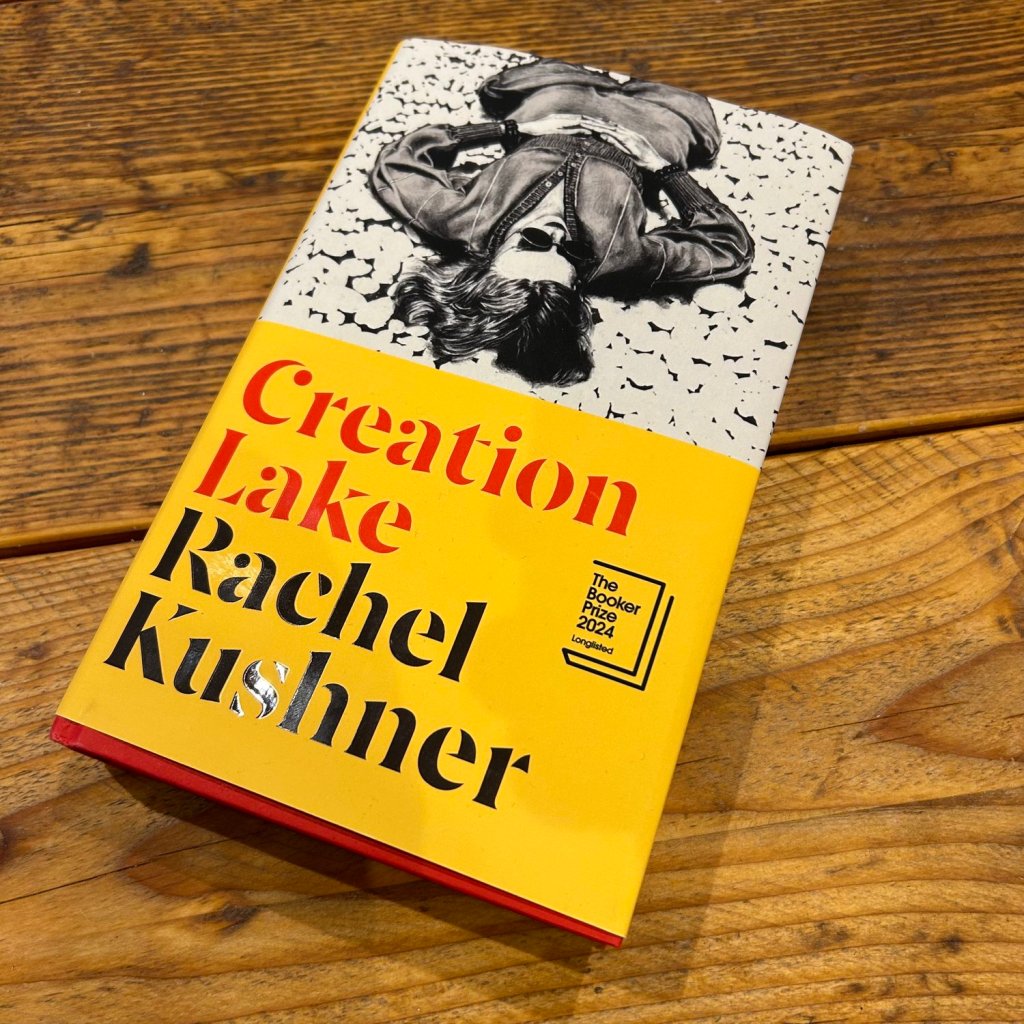
Another novel that makes you seriously fear for the judgement of Booker folk. Shortlisted this year, you would at least expect competence, even if it’s not a total surprise that it doesn’t live up to the breathless hype of the critics. I loved The Mars Room, her last novel, so came to this with great expectations, particularly after reading the juicy quotes lifted from reviews: “Reinvents the spy novel in one cool, erudite gesture….a gripping philosophical thriller”
“Fast paced noir”, “smart , funny and compulsively readable”
Seriously, these quotes come from the same stable as J D Vance describing the main threat to Europe as coming from within and referencing attacks on Free Speech and Democracy. They are so far from the truth (Vance and Cushner’s reviewers) as to be actionable under mis-selling legislation.
Just like The Republicans/ Conservatives and The Rule of Law, Cushner seems to think that rules about showing and telling apply to everyone except her. Vast tracts of reported back story, about several indistinguishable characters slow this down into a dull trudge. Presumably it’s a “philosophical thriller” to compensate for the fact that it couldn’t possibly be sold as an “action” thriller. (or what we used to just call a “Thriller”) It also references the ludicrously pretentious ramblings of lefty intellectual Bruno Lacombe who lives in a cave and communes with Neanderthals.
Here’s a taster: “In my Cave.. under my cave, welling up from deeper passages, I hear so many things…I hear voices. People talking….whose voices are eternal in this underground world, which is all planes of time on a single plane. Here on Earth is another earth. A different reality, no less real.” There are pages and pages of this drivel. Even his dwindling band of acolytes, holed up in a French rural idyll, finally despair of his frequent bouts of teaching via interminable emails: “He (Bruno) claims his cave is a temporal labyrinth that holds the answers to the great riddles. At first, we all got kind of sucked in. But when you pull away, it starts to seem like madness.”
Now that last sentence would have been a more truthful quote to plaster over the cover.
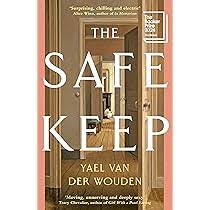
The Safe Keep by Yael Van de Wouden
From the ridiculous to the sublime. Another Booker listed novel, this time a debut from Dutch writer, Yael Van de Wouden. Set in early 60s Holland, it deals with the hidden aftermath of Second World War Dutch complicity in the holocaust, via the story of Isabel, a single woman not quite thirty, who lives alone in the family home. It belongs to her older brother Louis, a serial womaniser who shows no signs of ever wanting to settle down, but the threat of eventually being evicted weighs heavily upon her.
The house functions as an emotional stabilising weight for Isabel, whose awkward loneliness and social unease, chip away at her self esteem to such an extent that she comes across to the reader as an angry, unfulfilled, unsympathetic protagonist. She guards her independence and solitary life in the house assiduously, and is appalled when she bounced into helping out Louis by having his current girlfriend, Eva to stay when Louis is away for several months because of work. We also encounter her younger brother, Hendrik, in a gay relationship at a time when Holland was not the hotbed of enlightened social attitudes it is today.
The hostility that first characterises Isabel’s attitude to Eva gradually gives way to grudging acceptance before she finds herself swept away by a torrent of feelings she has denied herself for so long. This changing relationship, and Isabel’s struggle to embrace the change, is more than enough to carry the book. It’s subtly but powerfully conveyed, but the final section of the novel elevates it to an even higher plane, as a Fingersmith type shift changes everything. By the end, a beautiful and affecting novel.
Wild Houses by Colin Barrett
Yet another from the seemingly endless conveyor belt of excellent Irish writers. This is Barrett’s debut novel (though he has done a couple of short story collections) and it’s great. It focuses on the resolution of beef between petty criminals and drug dealers in County Mayo. A memorable collection of characters and settings produce an entertainment that resonates long after you’ve finished reading.
Dev, the reclusive man mountain and Nicky, the hostage’s long suffering girlfriend (yes, that’s right, hostage) are particularly well drawn, with subtlety and sensitivity. Cushner could learn a lot about how to deal with back story from this. Barrett proves himself no slouch when it comes to lyricism either. This to describe one of the scary guys:
“He was touching forty but looked ten years older again, with a face on him like a vandalised church, long and angular and pitted, eyes glinting deep in their sockets like smashed out windows”
The chill that sends down the spine is fully justified, believe me, as the story unfolds. Colin Barrett is one to keep an eye on, I reckon.
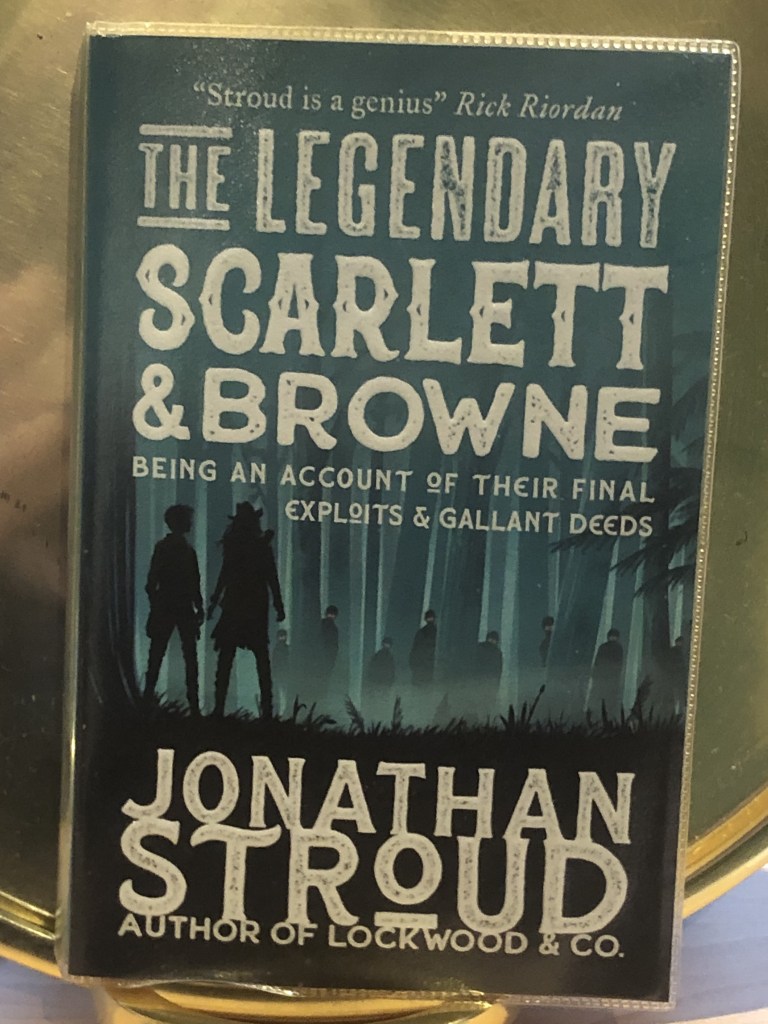
The Legendary Scarlett and Browne, being an account of their final exploits and gallant deeds by Jonathan Stroud
The only sadness about this book is that it’s the final part of the trilogy, so we can no longer eagerly look forward to the next installment. That’s it. Finito. Done. Over. I was completely bowled over by the first book, and went through Stroud’s back catalogue voraciously. The Lockwood series is wonderful as well and it’s a huge mistake that the TV adaptation was so brutally culled after only one season.
Stroud (despite the “genius” tag on every cover) is still under the radar for some bizarre reason and frankly, he’s a genius. Can’t think where I got that from. He is the master of controlling a children’s adventure story, manipulating cliff hangers, pacing dialogue and lyrical description effortlessly. Read the first chapter and marvel. It should be compulsory reading on Creative Writing courses as a model of economy and effectiveness in how to start a novel to hook the reader. But as well as the nuts and bolts of a twisty page turner, Stroud gives us subtlety and feeling. The developing relationship between Scarlett and Albert is so delicately done and brings a tear to the eye, but without the reader ever feeling manipulated. There is an authenticity and a truth to his writing that is rare. Do yourself a favour: buy all three books, wallow in them and then tell everyone you know who is interested in children’s fiction to do the same.
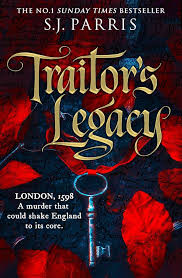
A new SJ Parris novel is always an event to celebrate, particularly for someone like me, with an incurable weakness for historical crime. I’ve read and loved all of Parris’ Giordano Bruno novels, set mainly in Elizabethan England, with the occasional foray into Europe. Parris has established Bruno as an attractive and sympathetic hero. An ex catholic monk, philosopher, and possible heretic, he ticks all the boxes: Good looking, intelligent, brave and a respecter of strong women.
So it was with some trepidation that I began her latest novel, when I found out that Parris had ditched Bruno for a new protagonist, Lady Sophia de Wolfe. It’s a bold move, when the Bruno novels have been so successful.
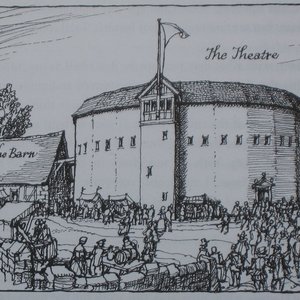
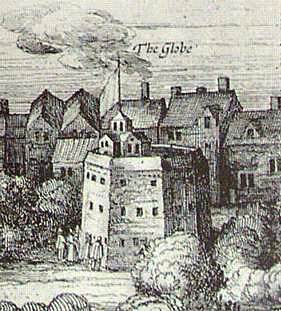
By and large, it works, with some caveats. The depiction of Elizabethan London is convincing. The plot is handled with Parris’ usual aplomb, requiring the merest hint of goodwill on the part of the reader (usually in connection with De Wolfe’s protection of her child – there’s no way this would pass with so little comment, but I’m just splitting hairs here) There’s a delightful rendering of the transportation of The Theatre in Shoreditch to The Globe, Bankside in the opening chapter and a knowing, touching scene focusing on a conversation between Shakespeare and the protagonist, about love and the loss of a child, towards the end. De Wolfe, a character who has already appeared in several of the Bruno novels, partly as a love interest, finds herself recently widowed (and therefore available for all kinds of adventures). By the end, her daring romps across London convince Robert Cecil to reemploy her as a spy working for Elizabeth’s government, thus setting us up for a new series. Good. I for one look forward to seeing her in more. But please, Stephanie, don’t completely abandon Bruno. There’s life in the old dog yet.
If a new series of De Wolf adventures emerges, I would just make these pleas to S J Parris, as a huge fan.
Do something about Anthony Munday, a playwright attached to the same company as De Wolf’s son Toby, and a second division rival to Shakespeare. He’s potentially an excellent character but his devoted lapdog impersonation in this novel began to grate after a while. GIven De Wolfe’s lack of romantic interest in him, this relationship promises more irritation than interest.
Please abandon the use of the present tense. I know it’s what younger audiences are meant to like and it’s what Creative writing tutors and Boutique consultancies tell writers to adopt for more “Immediacy”, but really that’s nonsense. (See Jonathan Coe on this in his latest, “The Proof of My Innocence.”). To me it feels affected and inauthentic. You didn’t need it in the Bruno novels and you don’t need it here.
But they are just nitpicks in the grand scheme of things. What a potential reader needs to know is this: S J Parris/Stephanie Merritt has come up with another winner. Fans of historical crime should settle in and enjoy the ride.
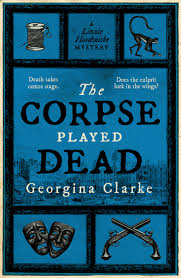
This is the second book in the series reissued by Verve books and it confirms the promise that was suggested by the first, Death and the Harlot. It’s set six months after that, in 1759, and picks up the tale of nineteen year old Lizzie Hardwick, a prostitute in Soho who is not all that she appears.
An educated daughter of a respectable gentleman, she was thrown out and disowned after a rich family friend had sexually abused her. Changing her name, she arrived in London, finding a position at Ma Farleys, a high class, relatively safe brothel. In book one she gets entangled in the murder investigation of one of her clients, forging a relationship with Davenport, a detective with the Bow Street runners. Her skill leads him to offer her paid work for the runners as a source of intelligence about the goings on in Soho, while keeping the security of her job in the brothel.
In this second book, Davenport installs her as a seamstress in the theatre of David Garrick, where Lord Hawbridge is found brutally murdered, hanging upside down over the stage. She comes across a series of suspicious characters, from every section of society, before the culprit is unmasked, in a breathless finale. It’s an excellent historical murder mystery.
Clarke’s knowledge of the period and its theatre world is impressive and she uses it with a light touch to create a convincing sense of time and place. She provides a range of suspicious characters with a range of motives so the reader has enough to fuel the speculation that is at the root of much of the pleasure of this kind of fiction, and the story is well paced, with twists and turns and end of chapter cliff hangers.
It’s not all fabulous though, which is why I gave it 4 stars rather than 5. Some of the plot twists, or breakthroughs in Lizzie’s understanding of the mystery are a little far fetched to say the least. I’m all for suspending my disbelief when I’m invested in the story and the characters, but my eyebrows jerked upwards on more than one occasion, accompanied by a knowing smirk and a thinks bubble above my head bearing the single word, “Really?”. Although the portrayal of the eighteenth century theatre world was very seductive, I did miss Ma Farley’s genteel brothel and Lizzie’s coworkers, which added an extra dimension to the first book. And, a minor point I know, but try as I might , I couldn’t work out how the title works. Which corpse is playing dead?
But this is splitting hairs. The books work because of Lizzie Hardwick. She’s a fabulous, attractive creation and her growing relationship with Davenport is a beautifully understated driver in the narrative. It will certainly make me look out for the third in the series, also due to come out in 2025. I think it’s only a matter of time before the series is adapted for TV – it would be a very welcome addition to historical drama – Poldark meets Bridgerton meets Strike.
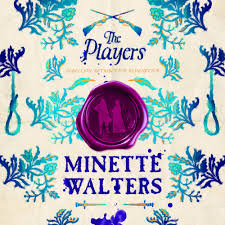
Oh dear, what a disappointment this turned out to be. I hadn’t read Minette Walters for years, not since The Scold’s Bridle and Fox Evil. They were excellent: taught, tense thrillers/ whodunnits with real pace and verve.
After something of a hiatus, Walters, now 75, has turned her hand to historical thrillers. This latest one is set in the 1680s in the dying days of King James II’s reign, taking in the Monmouth rebellion, the Bloody assizes of Judge Jeffreys, and the peaceful transition to William and Mary. A fascinating, dramatic few years of British history that does not often feature in historical fiction. It should be a gift to a skilled and experienced novelist but Walters manages to turn this literary gold into something dull and dreary.
The main characters are excellent, (with some caveats): Lord Granville and his mother are scarcely believable as liberal aristos, whose driving concern is always for the little people, ensuring they get justice, no matter what the risk to them personally. It’s as ludicrous as the portrayal of above stairs folk in Downton Abbey who just love the plebs downstairs. It’s so well done however,and the two are such appealing characters, that disbelief is willingly suspended, and the reader finds themselves willing them on to succeed. The character of Lady Althea is also beautifully drawn as Walters explores 17th century attitudes to disability. The love interest is really well done, with Althea’s shyness and reluctance to believe in Granville gradually overcome. It’s a bit of a cop out however, as Walters shies away from any scenes where love is declared and we are left a little cheated as we are simply presented with the aftermath in the epilogue.
The main problem here is that Walters seems to be obsessed with her research into the period, hence the number of reviews that home in on that. “Immaculately researched” is always a bad sign in my opinion. It shows that research has become an end itself, rather than serving the story. There are interminable scenes where she goes through the mechanics of the legal system, transportation, local and regional, explaining in great detail how those people awaiting trial for sedition could be sprung from captivity. Perhaps Walters is too big a figure to be edited, but this is exhibit A for assertive intervention. Without it, we’re left with a novel that’s at least a hundred pages too long. Shame – the characters, plot and historical scenario promised much but deserved a lot more. Maybe next time.
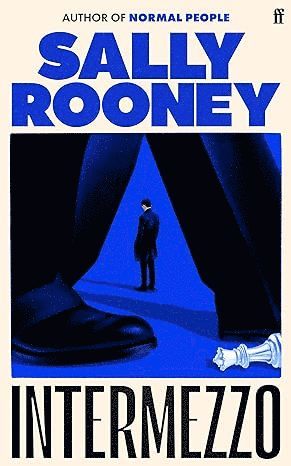
Sally Rooney triumphs with the novel of the year, a welcome return to form after the disappointing Beautiful World, where are you? Stylistically and structurally interesting, this portrayal of two brothers, separated by age, temperament and position in society, groping their way to recovery after the death of their father, is subtle, sensitive and engaging. Rooney explores how lack of communication in relationships entrenches misunderstanding and generates misery, but with a glimmer of hope that rapprochement is possible.
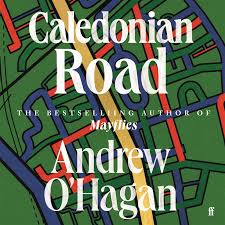
Andrew O’Hagan’s weighty state of the nation novel is but a short head behind Rooney. Caledonian Road is a positively Dickensian romp through London society, skewering the establishment, the media, populism, the ghastly Tory party and their upstart illegitimate child, Reform UK, to name but a few. Clever and clear sighted, the novel rises above satire through its multi layered plot delivering thoughtful, engaging and moving relationships to add heart to its steely intellectual societal analysis. Can’t wait for the TV adaptation.
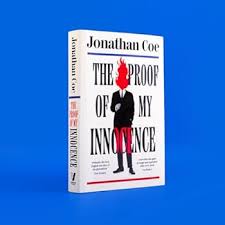
Jonathan Coe on top form with this clever dissection of the rise of far right think tanks in the US and here alongside the rise of the cosy crime genre. At times it’s hard to tell which he is more appalled by. It’s structurally clever, placing the murder of a journalist who has spent forty years since leaving Cambridge investigating the murky dealings of the poshos he endured as a provincial oik. He has paddled along a back water while they rub shoulders with the rich, the privileged and the powerful. Very funny, very sharp, pleasingly meta. Almost nudged O’Hagan out of second place. But not quite.
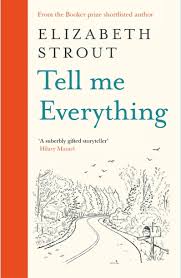
Elizabeth Strout does what she does best – an immaculately observed portrayal of small town life for a cast of older characters, focusing on Lucy Barton once again. The seemingly meandering tales they tell each other hide an interesting murder plot from years before, but that is almost a distraction from the forensic examination of love, friendship and relationships amongst people who are getting old and reflecting on the choices they have made in their lives.
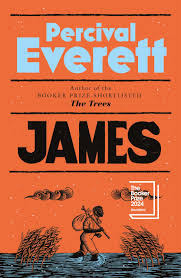
Percival Everett made the Booker shortlist for this re-imagining of Huckleberry Finn from the point of view of James, the slave. It’s a lovely, skilful piece of work that has at its heart an ingenious conceit that twists our understanding of the slave master relationship. Although it’s clever, by the end I was beginning to grow tired of what is essentially a one trick pony. Still, worthy of your consideration for end of year reading, or gifting.
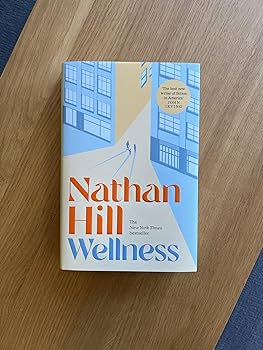
Nathan Hill’s breakthrough debut, The Nix, was one of the great American novels of the last few years, but that was back in 2016. It’s been a long wait, but trust me, this follow up is worth it. The opening section that sets up the central relationship is an absolute treat. It doesn’t quite maintain that ( it’s a big book) but it’s still a triumph. Beautiful prose, compelling relationships and characters, Hill makes Jonathan Frandsen look like an amateur.
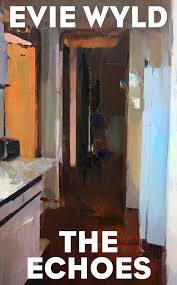
Read this, read her previous novel, The Bass Rock, read anything of hers you can get your hands on and wait eagerly for what she does next. Quite simply, Evie Wyld is a wonderful writer. End of.
David Nichols is the master of romantic relationship novels. Funny, perceptive engaging, You are here is the latest, tracking the start of a romance between two characters, set up by one concerned friend, who are thrown together on the coast to coast walk, from St Bees in Cumbria to Robin Hoods Bay, on the North Yorkshire coast. This is a minor Nichols work, leaving the reader with a feeling of slightness, insubstantiality, but even so, much better than a lot of the talked about novels of the year. (See Christmas Turkeys, below). A parochial point, I know, but I was particularly thrilled by the references to Teesside and Middlesbrough FC, as the characters started the last leg of the walk. Can’t think of many other cultural works where this happens – Teesside must be the most invisible, most unheralded area of the UK.
Stop Press!
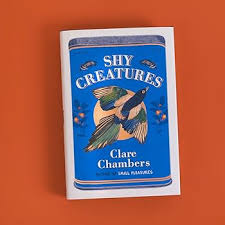
A late entry that I just had to include. I’m only half way through this book, but it’s too good to ignore. If you liked Clare Chambers’ Small Pleasures, you will love this. Suburban lives, small frustrations, unfulfilled relationships threaded through with a weird tale of a Boo Radley figure who comes to light in a near derelict house in Croydon. Sublime.
The Perfect Christmas Presents
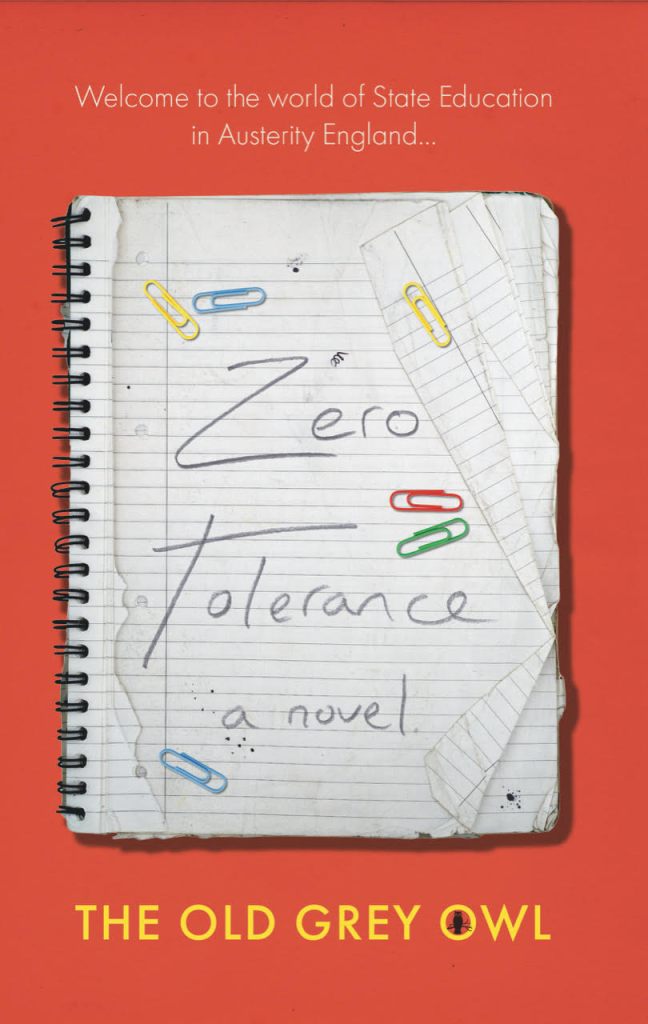
Obviously, if you’re looking for gift ideas, I think you’ll find my own books will hit the spot. Zero Tolerance will give you a real insight into the scandal breaking about unethical behaviour in certain Academy Trusts. For the teacher in your life. You can buy the ebook or a paperback, and read the reviews by clicking the link below:
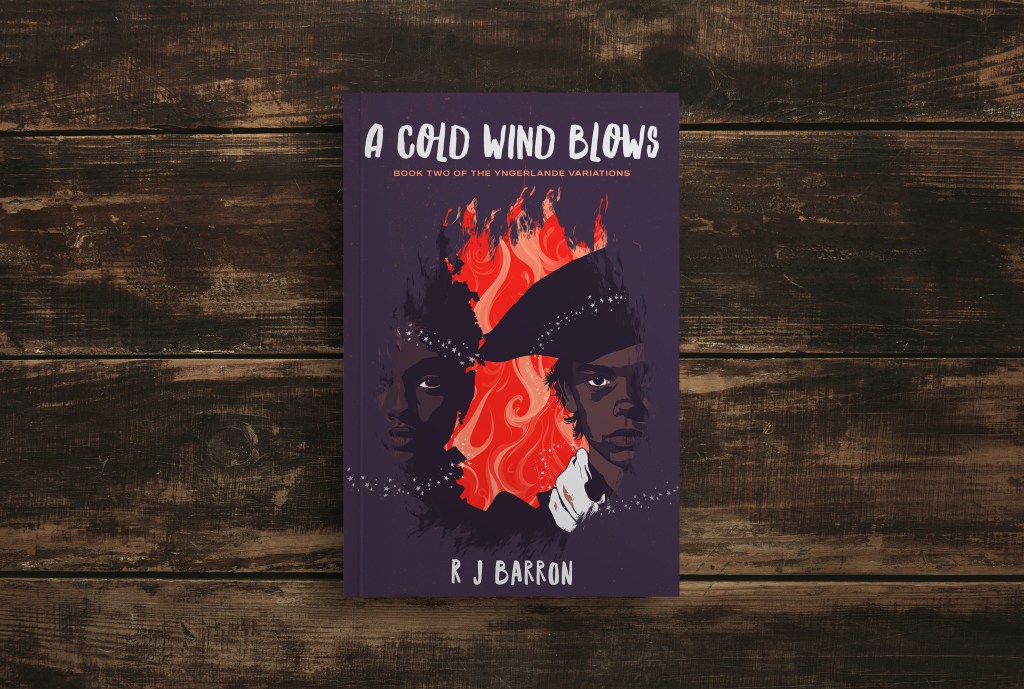
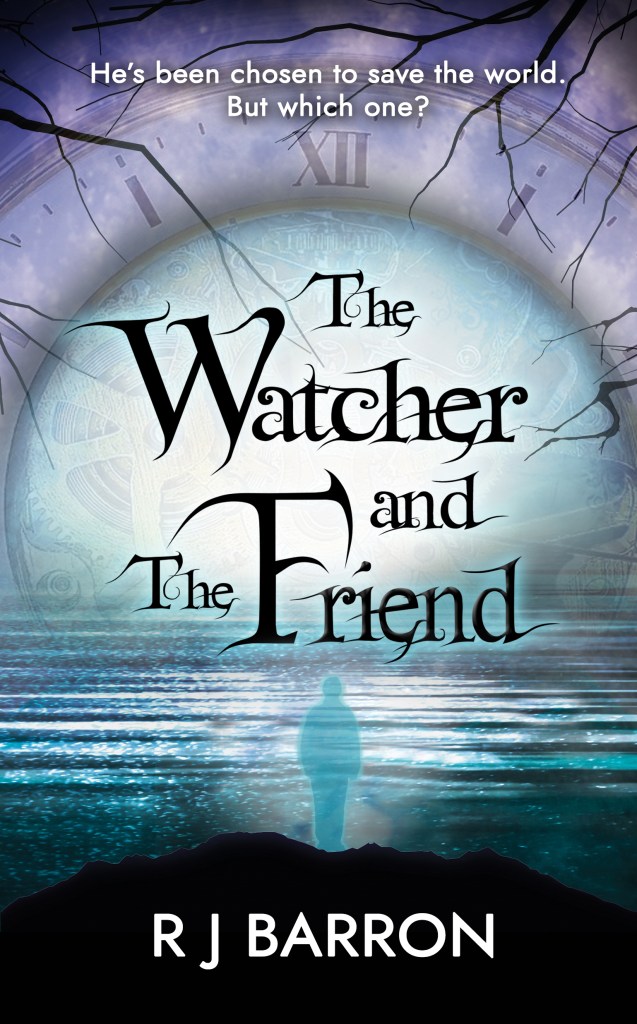
Fans of Fantasy, YA and children’s books need look no further than The Watcher and The Friend, from Burton Mayers Books. The sequel, A Cold Wind Blows, is scheduled to come out next year. For a flavour, check out the podcast audio book.
A little unfair this title. Some of these books were just a little disappointing, a little overhyped. Others were just plain dreadful.
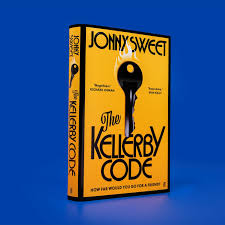
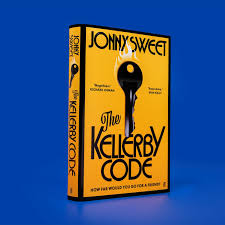
Picture the scene: It’s Christmas morning and you’re a little heady from the breakfast prosecco. You rip open the first of a pile of presents, to find The Kellerby Code waiting for you. Your nearest and dearest tell you it’s the word of mouth hit of the year, so funny, like Saltburn and you can’t wait to get started. Let me save you some time here. Put the book down. Forget you ever received it. Wipe it from your memory. Because this is the clear winner of the Turkey of the year. I know this sounds mean, but my longer review will explain why.
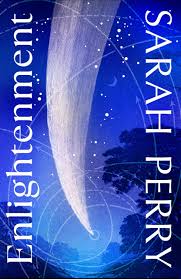
What’s happened to the writer who produced The Essex Serpent? Sarah Perry’s atmospheric debut stands clearly as her high watermark, as her Christianity seems to have overwhelmed her concern for craft. Enlightenment is dull and clumsy, and, just like the equally disappointing Melmoth, the critics raved about it. Do any of them actually read the books they are sent? Apologies to Christians everywhere – Happy.. er … Christmas.
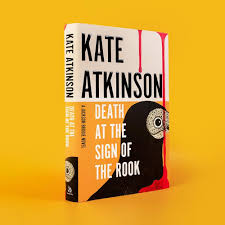
A new Jackson Brodie crime outing from The wonderful Kate Atkinson is usually a cause for unconfined celebration. It starts so well – a clever play on cosy crime (bit of a theme this year). Brodie is reunited with Reggie Chase, the feisty, clever orphan from When Will There Be Good News? Chase is now a rookie cop who unofficially teams up with Brodie to investigate a case with links to his latest job. It’s an improbable mash up involving all the classic elements of old school murder mystery: isolated country house, list of stereotypical Agatha Christie suspects, all snowed in together as the bodies mount up. Sounds great fun, and it is, until the twists of the ever more unbelievable plot become tiresome.
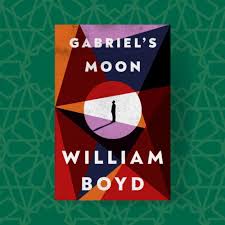
William Boyd is the grand old man of English letters, but his latest, a brazen attempt to begin a multi million selling spy series to rival Bond is limp, derivative and lazy. It’s sad to see it and say it but the prose is risible. Every scene begins with a description of the place and the main characters, down to the clothes they are wearing. If that’s not enough to slow the action down, Boyd can’t resist any opportunity to tell us what drinks the character has and then, what they have to eat. ( “ a cheese and onion sandwich and a Dubonnet”) There must be about thirty scenes where Gabriel meets someone in a pub, bar or restaurant. Phoned in, reversing the charges.
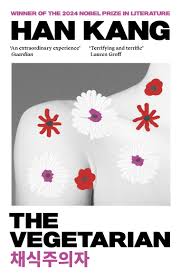
Han Kang’s novel won the 2024 Nobel prize for Literature. Seriously, I wouldn’t want to go for a drink with anyone who was on the panel. This was such a deadly dull, dreary trudge, that I gave up after fifty pages. Life’s too short.
Writer walks into windowless, dusky room and switches light on. Room gets darker. The End
I’d been meaning to read The Kellerby Code since the beginning of Summer. I’d noticed a few references to it in the weekend supplements, and then it began to be more heavily promoted with Richard Osman’s one word verdict: Genius. On further investigation, it seemed that the book was a comedy, set in a Country House, with shades of Evelyn Waugh and P G Wodehouse. It sounded delicious, just right for two weeks away in the Mediterranean sun.
Such is the power of marketing – selling a book in shedloads, even though it falls apart virtually the minute you begin to read it. Its only possible virtue is its future role in Creative Writing courses as a manual on how not to write a novel.
I know this sounds cruel. After all, it is Mr Sweet’s debut novel and budding writers need gentle encouragement, but I really think you can put away your sympathy and save it for more deserving cases. He has, after all, sold millions, made a fortune, and has nicely set up a second career to slot alongside his night job as a Stand Up comedian, probably now with a multi book follow up deal.
The TV adaptation can’t be far away. And, to be honest, that will probably be much better than the book, because no one would have to read it and…….How can I put this politely? This is very, very badly written. Thankfully for you, dear reader, I’ve already read it, so that you don’t have to.
SPOILER ALERT!
(But actually, dont worry, You’re never going to read this book…)
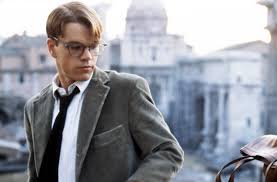
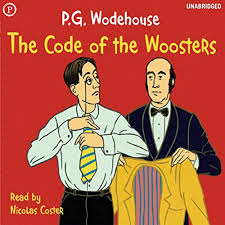
Although both Brideshead and Blandings are both referenced in the book, and the title is an echo of The Code of the Woosters, the real comparisons are with the film, Saltburn, and Patricia Highsmith’s The Talented Mr Ripley. It’s about a lower middle class young man, Edward Jevons, who falls in with a posh, entitled, aristocratic set at Oxford, whose leader, Robert, takes him under his wing and simultaneously patronises and exploits him. The gilded crew naturally fall into highly paid jobs in the arts and finance, via their discreet network of patronage and influence, while Edward, embarrassing oik that he is, is reduced to tutoring the ghastly offspring of the Chelsea and Knightsbridge elite. His real job, however, is to be Robert’s unofficial factotum and gopher, being expected to fulfill a myriad of trivial bits of domestic administration, unpaid, at the drop of a hat. This is done under the heading, Friendship, apparently, because Robert is grappling with the higher problems of being an up and coming theatre director and has no time to wipe his own arse and he doesn’t much care for getting his hands dirty.
Tom RipleyThe Cast of Saltburn
Edward is completely besotted with this world, leaving his roots behind him, and is completely blind to the fact that his new posh friends actually despise him, and refer to him as Jeeves behind his back. The situation is complicated by the fact that he is totally in love with Stanza (yes, really), more posh entitled totty who treats him like dirt and things really begin to take off when Robert starts going out with her and eventually marries her. The second half of the book brings a murder, which is the trigger for Edward’s descent into nervous breakdown territory and several more, ludicrous murders.
The plot is actually quite engaging, and even when the coincidences and hugely overblown prose threatened to make me chuck the book against the wall and admit defeat, wanting to have narrative resolution kept me going. The characters are uniformly ghastly. I read the whole book without incurring any warm feelings or concerns about anybody – not the vile poshos, and certainly not the wholly pathetic Edward, whose whinings and self pity produced a dreadful toxic cocktail of a personality that was more repellant than sympathetic. In the end, I felt the Bullingdon club crowd were actually too nice to him
The “twists” and “turns” of the plot were laughably poor. At times we were asked to believe that Edward, presumably our hero, had never read or seen a contemporary detective drama and was completely unaware of CCTV, DNA, fingerprints or even the basic fact that the police might ask him some questions and then triangulate his answers against what other witnesses/suspects had said. None of it matters though – there are so many loose ends and plot holes, so many inexplicable decisions made, that the real pleasure of the book was seeing what the next ridiculous plot twist was going to be. The concept of suspending disbelief was taken to new heights, such that in the end it became not a matter of suspension of disbelief but total disappearance of belief. This is a book that rests entirely on blind faith, like a religion, but without the rewards religion purports to offer. Textual Fundamentalism is the way forward. It stops hard pressed writers having to give a second thought to all those tiresome ideas about credibility, motivation, or authenticity.
But the worst is yet to come. My God, the prose, dear reader, the prose. The analogy that pushed its way into my consciousness, as I was ploughing through this car crash of a book was that of the IKEA flat pack piece of furniture. You get the damn thing home and open it up, and then diligently read through the language-less instructions.
Bolts and screws of various sizes are included in separate plastic bags, but it’s not until you have nearly constructed the thing that you realize that it doesn’t fit together and that you’ve used the wrong screw for the wrong bit of MDF. Here, Mr Sweet discovered that he’d been sent a big bag of commas and a tiny bag of full stops.
Sentences stagger on, many clauses lashed together by commas, desperately searching for a full stop, until they collapse, bleeding and exhausted. This is someone with a nice turn of phrase and a vocabulary that they are secretly very proud of, but who is determined to show you everything they can do. In every sentence. Every time. As a former GCSE and A level English teacher, my greatest priority was to impress upon my students the utter beauty of the short sentence, and the absolute necessity of a variety of sentence lengths and structures, so that there was some sense of rhythm to the whole thing. So that it sounded good when read aloud and felt nice in the mouth. Here, it sounds like radio static and tastes like a mouthful of Brylcreem. Back in the day, if little Jonny were one of my students, his submission would have tested my powers of constructive feedback and diplomacy.
My sincere suggestion to you, dear reader, is don’t bother with this. Watch Saltburn instead. Or watch and read The Talented Mr Ripley. And for advice on how to write sublime sentences, read some Wodehouse. You know it makes sense.
O’Hagan triumphs with that rare beast – a State of the Nation novel with heart.
The latest novel from Andrew O’Hagan, Caledonian Road, is a big beast, in every sense of the term. Physically, it’s got some heft. 640 pages of hard back book makes demands on the wrists. It’s also dealing with weighty, contemporary issues, so all told, the experience of reading it provides a holistic mind and body workout. Sounds like a week at a Spartan health farm, where the motto is no pain, no gain, but fear not dear readers, this novel also provides pure pleasure.
O’Hagan handles the intermingling of the personal and political with real skill and delicacy. A lesser novelist would have eschewed ideology and party politics for fear of committing the ultimate sin in the eyes of the serious, sensitive, superior and above-the-fray Literature Critics, that is the sin of taking sides. Ideology is both vulgar and limiting in this fragrant, lofty world. Evenhandedness is much more mature, much more subtle, much more human, darling. Perhaps. It’s certainly much more boring, in my opinion.
O’Hagan says a hearty bollocks to that and has dived in headfirst to this dissection of contemporary London society, and the power structures that both drive it and destroy it. He does it primarily through great storytelling. The novel succeeds first and foremost on that fundamental, primary level. The characters, their relationships, triumphs and disasters are memorable and compelling, even the utterly ghastly ones. Maybe especially the ghastly ones.
For the protagonist, Campbell Flynn, O’Hagan treads well-travelled paths. Working class lad done good, from the grim dereliction of 1970s Glasgow, Flynn at the time of the novel’s start is an academic, a cultural commentator, and a media darling down in that there London. Not a million miles away, obviously, from O’hagan’s own background, material previously plundered in his exquisite Mayflies. And not just London, but very specifically Kings Cross, an area recently reinvented by money and gentrification, but one which has pungent resonance for any refugee from the North. As a first entry point for East Coast Scots and Northerners, its streets, legends, and institutions retain a powerful grip on those arriving wide eyed from the sticks. Judd Street, the Eight till Late, the Scala, Peabody housing, Squats and Short Life flats, ULU, one hour rooms in lines of seedy hotels, kicking used syringes and condoms to one side leaving one’s flat in the morning – they are all part of the memory kaleidoscope conjured by the name Kings Cross.
As a big beast, the novel is teeming with characters, so much so that O’Hagan thoughtfully provides a cast list of two fully crammed pages. It’s essential if you want smooth passage through this behemoth, and a trick that Dickens himself could have profitably employed. The plot is multi-stranded and brilliantly handled, so that by the time the book has reached the halfway point, every time a new section of the book begins, there’s a sense of excitement at the resumption of that particular plot thread. That happens for all of the separate threads. That’s a real achievement. Usually, there’s always at least one thread that the reader has less engagement with, where you feel you’re treading water and sticking with, out of a sense of obligation. Here, all of them sing.
It’s a novel with laudable ambition, tackling big, serious issues. Any analysis of the current, woeful state of the UK would examine these topics in some depth, and O’Hagan looks them straight in the eye and explores them with both a pitiless forensic gaze and nuance, which allows him to eschew simplistic judgements and portray the issues and the characters with multilayered complexity. These are not the scribblings of a naive schoolboy marxist. He manages to cover
People trafficking
Cancel culture
British exceptionalism
The aristocracy
Public Schools
Russian money laundering
Social Media
Celebrity Culture
Gentrification
Housing
All of this produces an excoriating picture of the malign influence of the British establishment, their sense of entitlement and superiority, and the devastating impact they have had on destroying Civil Society for everyone except the super rich. The “freedom” this class espouses becomes simply freedom for millionaires to become billionaires without the state interfering.
There will be readers at this point who are thinking, “Bloody hell, this sounds far too political for me. I don’t understand this stuff and/or I just want a story about people and relationships” Keep the faith, you apoliticals! O’Hagan delivers on that front as well, with a huge range of individuals and families, all of whom, even the nasty Tories, are portrayed sympathetically. It’s Dickensian in that sense, and similar in many ways to Zadie Smith’s White Teeth. An energetic, densely populated romp set in multicultural, class-riven contemporary London, it is, like Dickens, a serious work masquerading as an entertainment. Or the other way round.
There was one dud note for me at the beginning. His portraits of Media stars, the establishment, and the political classes all rang true and had the hallmark of authenticity. I found, at first, his depiction of knife wielding, estate dwelling, drug dealers less successful. It felt as if he had spent some time eavesdropping on an unfamiliar underclass and had produced a two dimensional portrayal. By the end, however, I was convinced and O’Hagan had totally won me over. This is A Great Novel, and I can’t wait for the adaptation, film or TV. Already commissioned, apparently.
Sometimes you come across a book completely by chance and for the flimsiest of reasons you decide to give it a go. I had spotted the book before and there was something about it that caught my interest, but I had done nothing about it.The deliberately archaic style of title and the cover design combined to give the book an air of left field interest. Then when the sequel was being heavily pushed I made a snap decision to catch up with the first one and ordered it from the library.
Reader, I married him. After the first chapter, I realised I was dealing with something very good. After 30 pages, just looking at the book gave me a frisson of excitement. After 50 pages, I wanted to have Mr Stroud’s babies. If you know what I mean. The cover carries a quote from Rick Riordan, proclaiming “Jonathan Stroud is a genius”. When I picked it up I dismissed this as publishing froth. By the end, I was of the opinion that Mr Riordan was underselling Stroud a little.
So what was so wonderful about it? First of all, it’s a rollicking read. An exciting adventure, Stroud expertly handles the twists and turns of an adventure narrative. He is a master of the end of chapter cliffhanger, whether it be an entirely unexpected development, or a smooth transition to the next phase of the story, he generates a story with fantastic forward propulsion.
The setting helps immeasurably with this. The story takes place in a future England, many years after some cataclysmic, climate disaster that has plunged England into a mediaeval Mad Max type scenario. Much of the country is under the rising sea, where the higher grounds are controlled by regional warlords and groupings of the church and agricultural producers and trades people. There are uneasy truces between the different regions, each of which has their own set of rules for controlling their people and demonising anyone who is a little different. Throw into the mix some wraith like creatures, The Tainted, and a whole menagerie of strange, dangerous animals.
This catapulting of society backwards gives Stroud the opportunity to show off his lyrical gifts. The descriptions of the various rural settings the two protagonists pass through is absolutely beautiful and compelling, and, even better, completely fitting and essential for the plot. In this way, the flowery descriptions are not a literary indulgence, but integral to Stroud’s realisation of this new world.
But the real joy here are the characters Stroud has created. The heroine, Scarlett McCaine, is one of the finest, feistiest female characters since Dido Tweete in the incomparable Joan Aikens Wolves books. Funny dialogue, intriguing hints at her back story and exciting exploits undertaken with real physical bravery all five the story forward. The reader is also motivated by the wonderful relationship that emerges between her and the waif she discovers early in the book, Albert Browne, whose opening sections of dialogue are joyfully, and unexpectedly literary and verbose.
At the beginning of course, Scarlett, a determinedly free spirit loner, cannot wait to get rid of him, as she journeys through a dangerous and inhospitable country, trying to escape her pursuers. But it’s clear that this will be the story of the two characters, McCaine and Browne growing closer to each other as their mutual respect and affection slowly and grudgingly grows. Again this is something that Stroud handles with great skill and subtlety. You know it’s going to happen, and as it does, you know it’s happening, but you can never see the joins.
The other marvellous character is Doctor Calloway who is relentlessly pursuing Albert after his escape from her Hospital/Laboratory/ Prison. There are shades of Philip Pullman here, as Calloway echoes the evil Mrs Coulter from His Dark Materials. It’s a tribute to Stroud that this comparison strengthens each character, rather than diminishing them.
By the end, we are set up for more adventures in this new future England. For which promise I say, Please Sir, can I have some more? I have a feeling that this is a series that could run and run. And now, I’m going to check out the other books Stroud has written. This one could, of course, be a one off. But, really, it’s so good that somehow I doubt it.