My Books of the Year

Professional Reader

It’s that time of year again. Journalists in every publication are boshing together a Christmas present guide for all of the literati out there. So here’s mine. Please note – these suggestions spring only from the books that I have read myself. This is not an attempt to cast a definitive verdict on the books published this year. I’m lucky to be able to read a huge number of books in my retirement, but I’m sure there are many contenders that I haven’t got round to yet. Some on the list, as the reviews make clear, are there because they are interesting in some way, rather than brilliant. With those caveats, here we go…

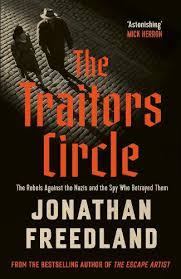
The Traitors’ Circle – Jonathan Freedland

My Book of The Year – and it’s not even a novel!

Freedland explores the lives of nine influential people in Nazi Germany who have severe misgivings about Hitler, the war and the whole Nazi project. They are loosely interconnected, their paths criss-crossing throughout the period, and all in some way, try to work against the regime. It’s clearly a dangerous path to choose, as anyone not fully signed up to Nazism is picked off in one way or another. Lack of preferment, prison, concentration camps, disappearances and murder in plain sight are all visited upon anyone who speaks out. It’s brilliantly constructed, with short chapters scrolling through the roster of characters Freedland establishes from the beginning, each one ending in a teaser or cliffhanger. The overall effect is one of a tightly plotted detective novel. An enthralling, thrilling read.
The Land in Winter – Andrew Miller
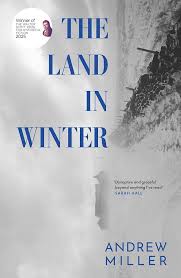
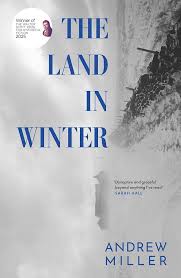
Listed for the Booker Prize, this is a glorious piece of historical fiction, set during the Big Freeze of 1962/63. Subtle and satisfying, this is an enormously enjoyable novel of relationships. A book for adults, as Woolf famously said of  Middlemarch. If Flesh is better than this, It’ll be a great novel. But the Booker judges are nothing if not unreliable in their judgement

Long review here: https://growl.blog/2025/07/09/the-land-in-winter-by-andrew-miller/

Entitled – the rise and fall of the House of York – Andrew Lownie

This book would have been unthinkable even a few years ago, such is the iron grip the Royal family have on the British establishment. But now, open season has been declared on the ghastly Royals. They have presented a juicy target ever since the Queen died, and the tabloids have been plugging away at their pet targets: Harry and Meghan, Camilla, and Andrew and Fergie. The Mail and the Telegraph have been twisting in agonised indecision over this as performative hatred of paedophilia has vied with slavish arse licking of anything Royal. For normal people, it’s the whole corrupt lot of them. For previously arch royal sycophants, it’s worth sacrificing two embarrassing Minor Royals in the belief  that the Body of Royalty as a whole might be saved by the judicious amputation of some corrupt and rotting limb.
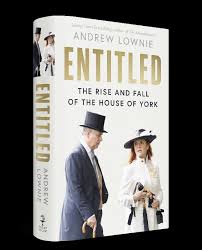
The book is basically gossip, but it’s enjoyable reading about just how appalling these two were (and are). If it has a fault it’s that it’s just a little dull and not shocking enough. Some of the more shocking revelations Lownie treats us to are:

  1. Andrew routinely leaving his semen stained tissue paper scattered on the floor for staff to collect and dispose of
  2. Reports of forty prostitutes being shipped to his hotel room on some Trade Envoy Jolly over the course of a four day stay.
  3. On being told by a young woman at his table for some dinner that she was a Secretary, Andrew, horrified, replying, “How uninteresting. Is that the best thing you could find to do?”

Nice Guy. Between their divorce and The Epstein scandal, the book is reduced to a litany of descriptions of their serial affairs, financial mismanagement, and corruption. It establishes behind any reasonable doubt that Andrew is dim, privileged, entitled, boorish and utterly boring, while Sarah is a sex machine spendaholic space cadet. Still, worthwhile to have one’s prejudices so well researched and confirmed.

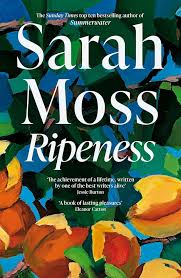
Ripeness – Sarah Moss
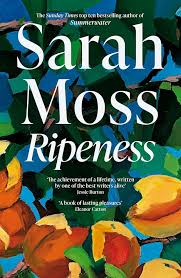
What a lovely novel this is, from someone writing at the top of their game. Structurally and stylistically, it’s a treat, with alternating sections telling the stories of the same character, Edith, fifty years apart. The younger Edith tells her own story, in the first person, through the device of a lengthy letter to a child, to be read in the future, explaining the circumstances of the child’s birth and subsequent life. The sections dealing with the older Edith are set in rural Ireland and are told in the third person. Beautiful descriptions of both the countryside around Como and small town/village life in the Republic are subtly blended with Edith’s reflections on first growing up and then getting old. Honestly, this is a must read book. Beautiful and thought provoking. Longer Review here: https://growl.blog/2025/06/05/ripeness-by-sarah-moss/

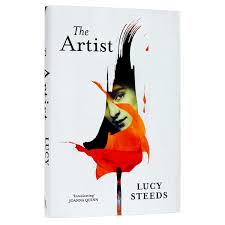
The Artist – Lucy Steed

Reading this in the depths of winter, this historical novel set in the sundrenched summer of a village in Provence is a therapeutic treat, like a session in a natural light booth for SAD sufferers. A young journalist, Joseph,  suffering from the traumas of the first world war, travels to the remote home of celebrated artist, Eduard Tartuffe, to undertake a profile of him for the art journal he works for. He finds the great man sour and difficult, and  living alone except for his niece Ettie. As he wins Eduard’s trust and  gets closer to Ettie, secrets are revealed. A lovely book.
Crooked Cross – Sally Carson
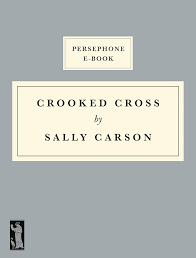
This year’s long forgotten rediscovery, Crooked Cross was written in 1933 by an English woman Sally Carson based on her experiences on holiday in Bavaria. It tells the story of the slow build up of nazism and the way it overwhelms everyone’s lives, even in the backwaters of a Bavarian village, explaining how, in an incremental way, ordinary tolerant people can be drawn into the most despicable acts.

A timely text in the light of the current wave of racist populism that is sweeping across Europe and America. Oh no, I forgot. We’re not allowed to make any Nazi/Fascist comparisons between today’s political titans and those of the 1930s. Actually, it’s impossible not to, if you have any regard to historical facts. It’s a worthy revival, if only to publicise the parallels between then and now and between them and us, but it shows its age. Despite the subject matter, it lacks real drama and/or tension and didnt quite live up to its reputation.

Our evenings- Alan Hollinghurst

I must confess, I’ve started several of Hollinghurst’s novels, and have never liked, much less finished, one of them. It’s just one of those things – he’s lionised by the literary establishment, but for some reason, he just doesn’t do it for me. This latest got rave reviews and it starts brilliantly. There was a moment when I thought this was going to be the Hollinghurst novel where I finally got it, but unfortunately, by the end I was a little underwhelmed. But reader, I finished it! And that’s a first.
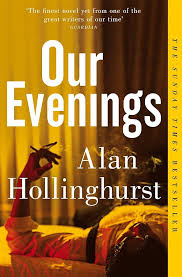
It’s a whole life story novel that follows Dave Win’s progress as a gay, half English, half Burmese actor, navigating public school, the disapproval of his family and the casual racism and homophobia he encounters. The relationship with his mother is beautifully observed, but another relationship, with the bully at school who goes on to achieve high office in a Tory government, promises much, but ultimately fizzles out without delivering. If you don’t share my antipathy towards Hollinghurst,  it’s definitely worth a punt

What We Can Know – Ian Mcewan
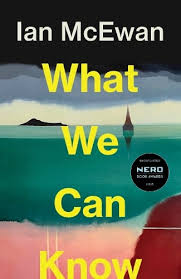
The latest from McEwan shows his powers are undiminished, after a career at the very top of English fiction. The book is framed as an academic literary investigation, in a Britain clinging on after a series of ecological disasters in 2125, into a celebrated poet and climate change denier from the Britain of 2020. It’s a strange mixture, at times compelling, often fascinating, and at other times annoying.

The good stuff is the unrolling of the climate disaster and the unforeseen impacts that has had (Nigeria is the preeminent power, and America has disintegrated into a ferret sack of competing warlords and clans.) The bad stuff is the suffocating superiority of the middle class literary types, with their casual snobbery, all, seemingly, having affairs with anyone and everyone. I’d like to think McEwan is trying to skewer them and their ghastly attitudes, but I fear that he may actually share many of them. That’s harsh – it’s beautifully written, as ever,  and worth a read.

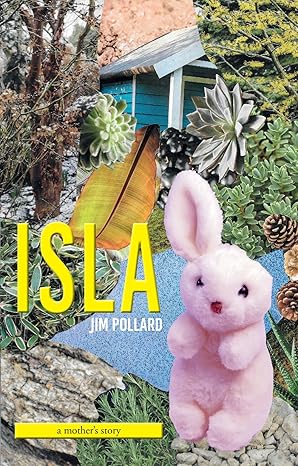
Isla  – Jim Pollard.
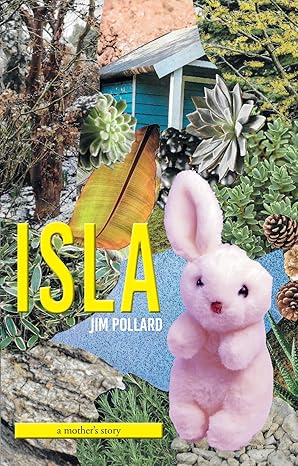
One of the pleasures of exploring the work of independent writers is that you come across things that deserve much greater exposure. This one’s a gem. Pollard, an ex-teacher and journalist, has specialised in books about men’s health, accumulating an impressive back catalogue, irregularly punctuated by his novels. His latest, Isla, is inspired by the Madeleine McCann case, and explores the aftermath over a lifetime of such a traumatic event. It’s set in Paris and London, and beautifully evokes both cities. There are no easy answers to the questions the novel poses and no obvious ones either. This is a great read.

Longer Review here: https://growl.blog/2025/05/21/isla-by-jim-pollard-a-review/

And you can buy it here: notonlywords.co.uk/isla

Main review here:

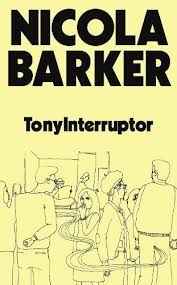
Tony interruptor- Nicola Barker

Barker is consistently one of the most interesting of British novelists, who deserves a much higher profile. Her books are often odd, awkward little things, and this one is no exception. It would be a delightful stocking-filler.
Seascraper – Benjamin Wood
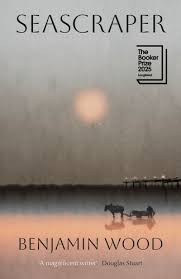
An excellent story of a young man who lives with his mother on the grim and exposed coastline of Morecambe Bay. He scrapes a living, continuing the work learned alongside his late father, pillaging the cockle beds in the shallows of the Irish Sea. It’s hard work, alone save for his horse in all weathers. He keeps his sanity by writing and playing songs on a second hand guitar, ( all concealed from his mother)  working towards playing the folk night of a local pub. His world is suddenly turned upside down by the appearance of an American film man who descends on the community researching the beach as a location for his next film. It’s a small and perfectly formed gem.

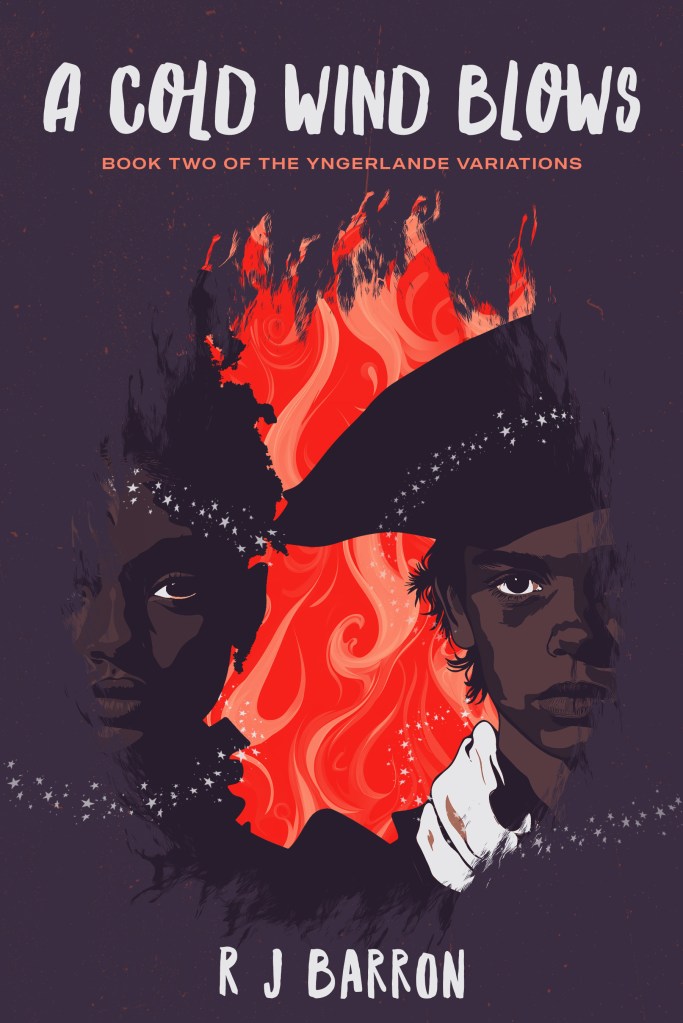
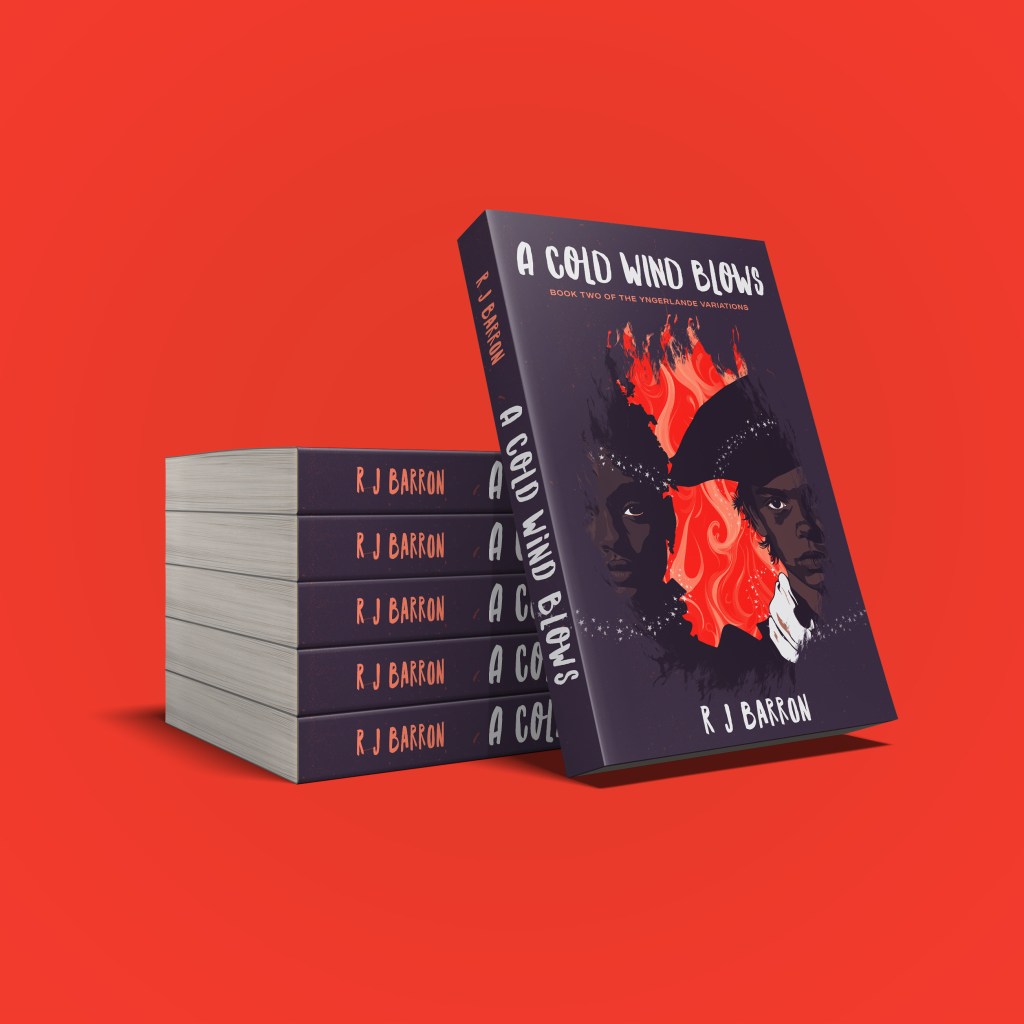
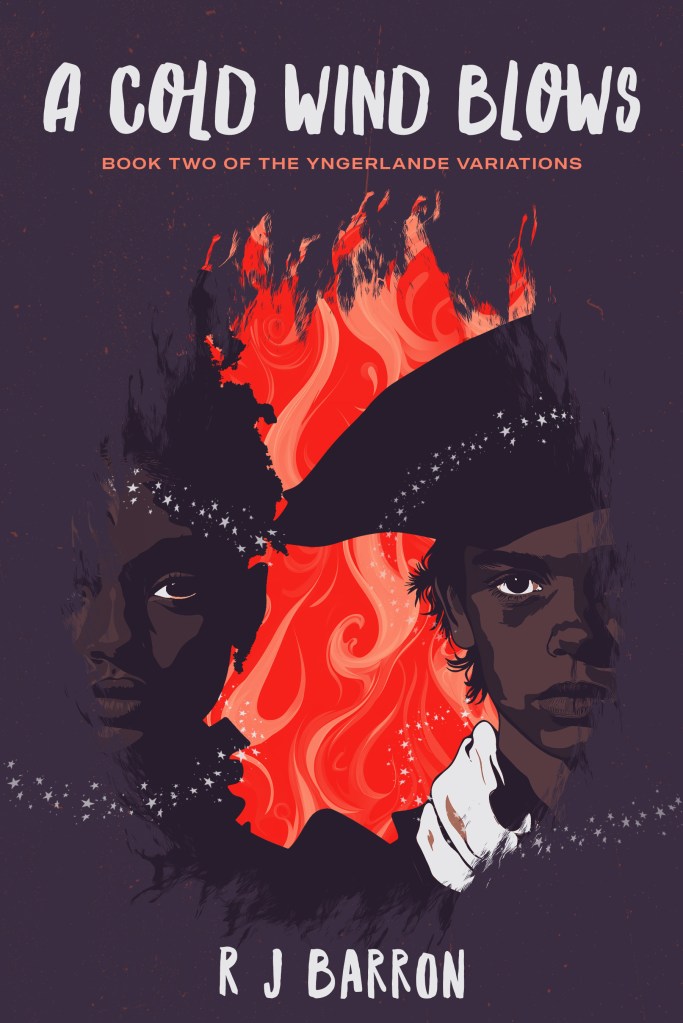
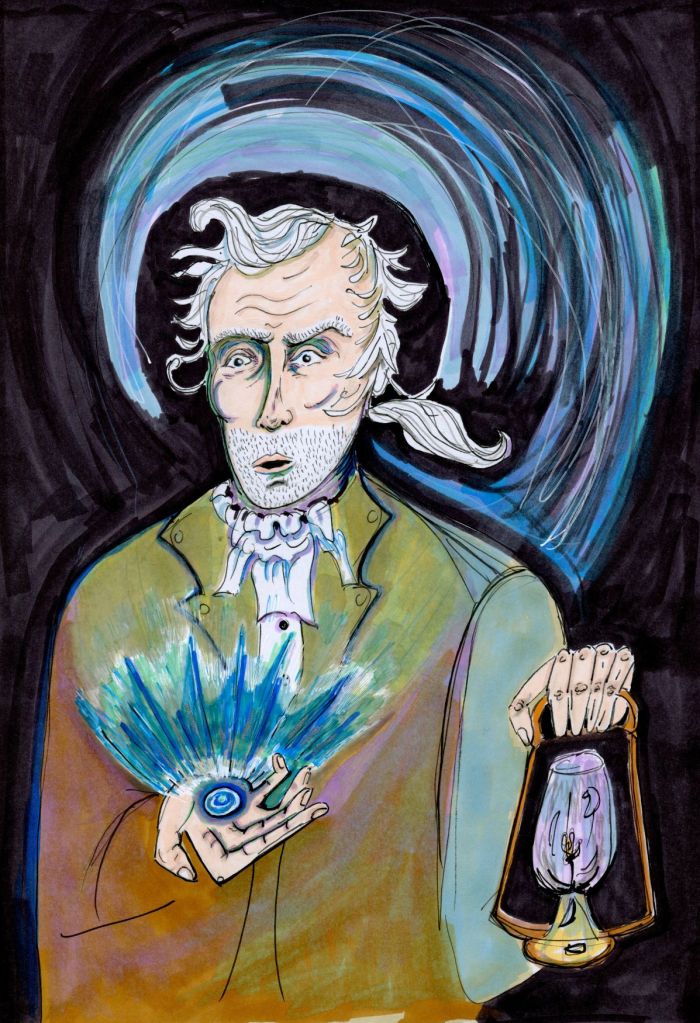
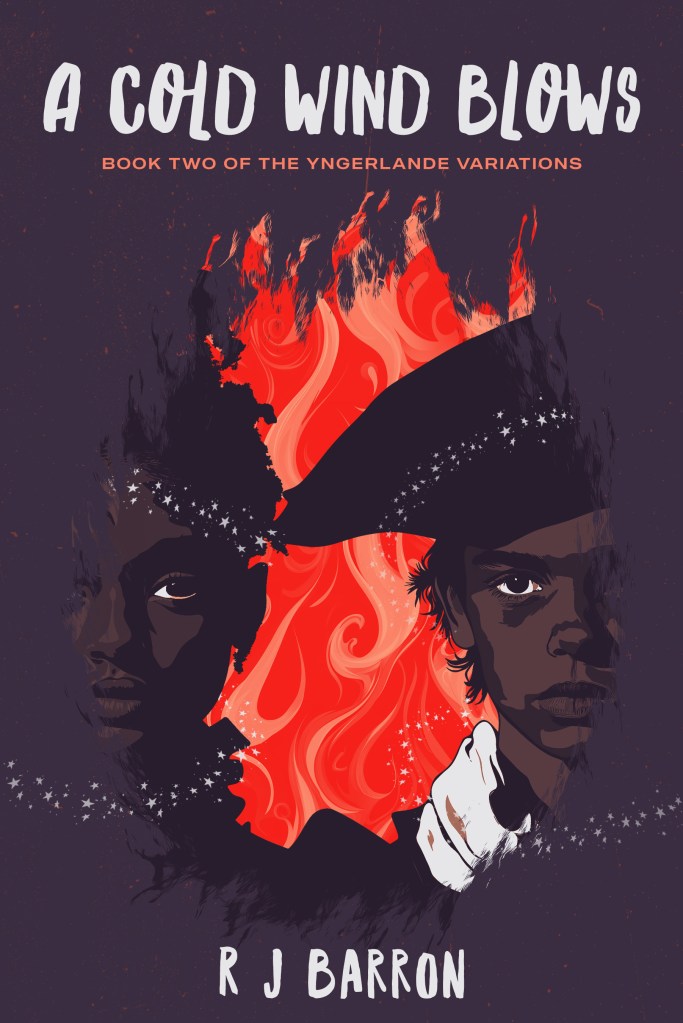
Obviously, the real book of the year is my very own, A Cold Wind Blows. The book is part 2 of a fantasy trilogy, set in Yngerlande, a parallel world to England in 1795. Yngerlande is a place of absolute and perfect equality, but their tolerance and liberalism is put at risk by an attempted counter revolution from the surviving relatives of the Old Mad King from generations before. They want to overturn all of the social advances made and establish a patriarchal, white supremacist regime. Thomas Trelawney, a thirteen year old boy from modern day England, finds himself the possessor of previously unknown powers, when he is summoned to help protect the Realm from the forces of Darkness. Think of it as Harry Potter meets Lyra Silvertongue meets Outlander. “A slice of Fantasy brilliance” said one reviewer. And they were right! You can buy it here: https://shorturl.at/UcRWb
Those that didn’t quite make it…

This could be for a number of reasons: Only just come out, I’ve heard about and intend to read, waiting for it to arrive. That sort of thing. Here they are:
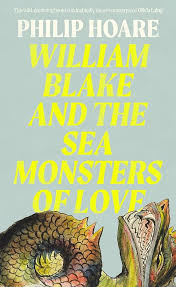
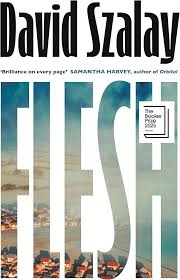
Lots to read in 2026!

The Rose Field by Philip Pullman – a Review.

A major disappointment as the metaphors run out of road.

Spoiler Alert! Unhelpful plot revelations ahead!

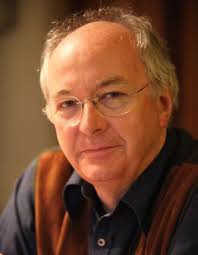
A new book by Philip Pullman is usually something of a treat. A literary event in fact. This one has particular significance – it’s the concluding volume of the Book of Dust trilogy, and as he gets older (he’s 78 now) there is always the fear that it is the last he will ever write. Before I go any further, it’s only right that I reveal myself to be a massive fan. Pullman is one of my literary heroes and an inspiration as far as my own writing is concerned. The Northern Lights trilogy is fully deserving of all the plaudits heaped upon it, not least for the fact that, by the end, it has become one of the all time great love stories.

So it’s with some sadness that I have to report that The Rose Field is a major disappointment. It’s full of lovely writing, and Pullman’s imagination (a key consideration in the light of one of the book’s themes) is in full working order, but as a coherent piece of story telling, it fails to land.

It comes in at a baggy 620 pages long, and I got the impression it could have just as well have finished after 1,620 pages, and we still wouldn’t have been anywhere near a satisfactory conclusion. Pullman, as a Great Man of Letters, has now achieved the status of “He Who Cannot Be Edited”. Pity the poor editor assigned to the task: “Phillip, do you really need all those bits with the characters discussing Dust?” is a question only a very brave soul, with no aspirations to a long term career in publishing, would ask. But it is the question that shouts out of almost every page. By the time we get to page 554 and Lyra and Malcolm start discussing Binary Absolutism, it’s screaming.

Equally unfortunately, lots of other things emerge, trade winds that blow the good ship Narrative off course, time and time again. Crucial developments occur completely out of the blue – the fact that the loathsome Olivier Bonneville is the half brother of Lyra is revealed towards the end, seemingly as another device to keep the pot boiling. Minor characters emerge and then disappear. Supposedly important characters do exactly the same. (I’m thinking of Leila Pervani here). Two thirds of the way through the book, the narrative drive of the book appears to suddenly come from a “battle” against a character who has sprung out of nowhere, the sorcerer, Sorush, involving armies of various creatures. There doesn’t appear to be any plausible reason for this development in terms of characters, relationships, or previous events, and is there simply to add a bit of action to keep the reader engaged. It seems Pullmann has taken a leaf out of Tolkien’s book, and emphasised the “quest” aspect of the story with this out-of-kilter battle. Oh the irony, after Pullman’s much discussed dismissal of Tolkien as being “thin” and not being about much. This is what he says about The Rose Field himself: “I think of The Rose Field as partly a thriller and partly a bildungsroman: a story of psychological, moral and emotional growth. But it’s also a vision. Lyra’s world is changing, just as ours is. The power over people’s lives once held by old institutions and governments is seeping away and reappearing in another form: that of money, capital, development, commerce, exchange.”

That’s one of Pullman’s greatest difficulties here. He makes the key mistake of thinking he is writing about something and Something Very Important at that, so the story takes a back seat. Tolkien could teach him a thing or two about telling a compelling tale. 

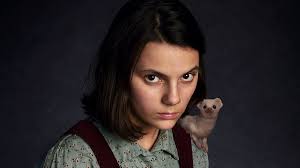
Just a reminder of the greatness that is Lyra Silvertongue and Pan

All of this adds to the impression that Pullman is desperately trying to write himself out of several of the corners that the first two (five?) volumes have backed him into. One of these is the growing relationship between Lyra and Malcolm Poulstead. The awakening of friendship into love is something Pullman has form on. The changing of the relationship between Lyra and Will in the Northern Lights trilogy was beautifully done, and forms the backbone of the books. He attempts the same thing here, using the daemons of these two characters to add depth and subtlety to the development. Once again, it’s really well done (apart from the nagging suspicion he’s re-treading old ground), but then, right at the end, he pulls the rug from underneath his readers. It’s as if he’s just realised that the relationship between two characters who are eleven years apart in ages, where Malcolm used to be Lyra’s teacher, could be deemed a little problematic, a little too groomy. In one conversation, right at the end of the book, he trashes all of the careful build up, by having Pan tell Lyra that Malcolm was in love with Alice and that they (Pan and Lyra) “will have to put the idea in his head”. Job done. One more loose end tied up as if by magic.

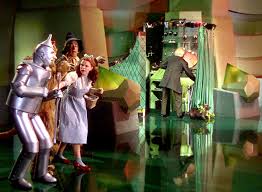
There’s similar botching when it comes to explaining Dust, “Alkahest”, Rose oil and Pan’s  decision to leave Lyra at the end of The Secret Commonwealth to go in search of Lyra’s missing “Imagination”. It’s bound to fail, because they are ideas born of beautiful, powerful,vague metaphors. Their power and beauty comes from their very vagueness – that’s how metaphors work –  through association and connotation. The minute you try to rationalise them, their power and beauty drain away and they are left like the Wizard of Oz after the curtain is ripped aside – small and a little pathetic.

By the end of the book I was torn. I couldn’t make up my mind whether Pullman should have stopped after finishing Northern Lights and turned to something completely new, or whether I should be grateful he started The Book Of Dust for the pleasures it produced. The trouble is that once you have set the bar so high, it’s a very long way to fall when you don’t quite get it right the second time around. Maybe it’s time to write another Ruby in The Smoke – short and punchy, and not a binary absolute in sight.

Another Great Review for A Cold Wind Blows

“A slice of fantasy brilliance”

Always great to get reviews out of the blue from someone who so clearly gets it. This one from AndrewSarahBookReviewer. Yes, that’s their mysterious handle. Have a read and see if you agree by reading it yourself. Links to Amazon at the end of this blogpost.

A Cold Wind Blows doesn’t read like something written by a man testing his first dip into children’s fantasy. It reads like someone who knows how to pull history, myth, and magic into one big imaginative storm, and then quietly pretend it’s all casual. But here’s the catch, it’s almost criminal that a story this rich, this layered, and this cinematically British isn’t stirring up more noise online.

Let’s start from the top.
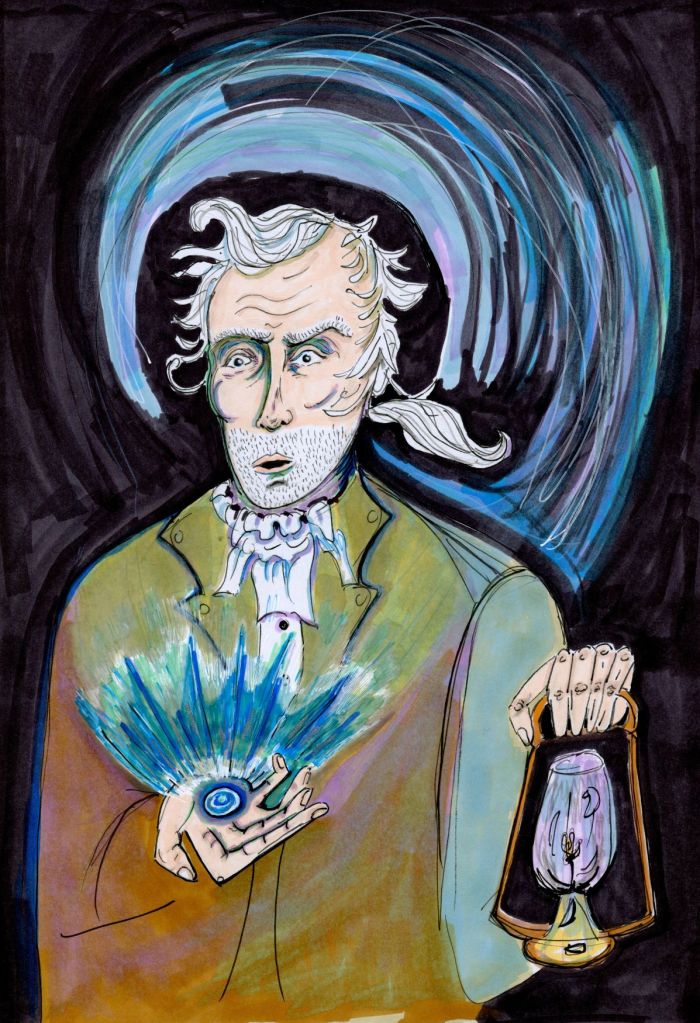
You’ve got Silas Cummerbund, a name that sounds like it belongs in both a Dickens novel and a secret magical agency. The man’s half mentor, half mystery, and fully fascinating. Then there’s Princess Gaia, trained to harness her hidden powers, facing danger, betrayal, and probably more character development than most fantasy heroines get in a trilogy.

The world of Yngerlande isn’t just imagined; it’s constructed, with history breathing beneath the soil, loyalty and treachery doing a slow, deadly waltz, and danger watching from the kitchen (because, of course, there’s a suspicious kitchen boy named Shrike ). You’ve got everything, a sharp mind for structure, a love of lore, a solid moral compass, and that old-school narrative warmth modern fantasy often lacks.

It’s classic fantasy craftsmanship, the kind that brings back that old-school sense of wonder and storytelling gravitas. You can feel the teacher in you on every page, that precise attention to pacing, that clean sentence rhythm, the moral backbone hiding beneath the adventure. There’s something deeply nostalgic about your writing, it’s the kind of story that whispers “just one more chapter” until the reader realizes it’s 3 a.m. and they’ve stopped pretending to be an adult.”

Many thanks to Sarah for such a wonderful Review!

See for yourself – click here to buy: https://shorturl.at/HYY27

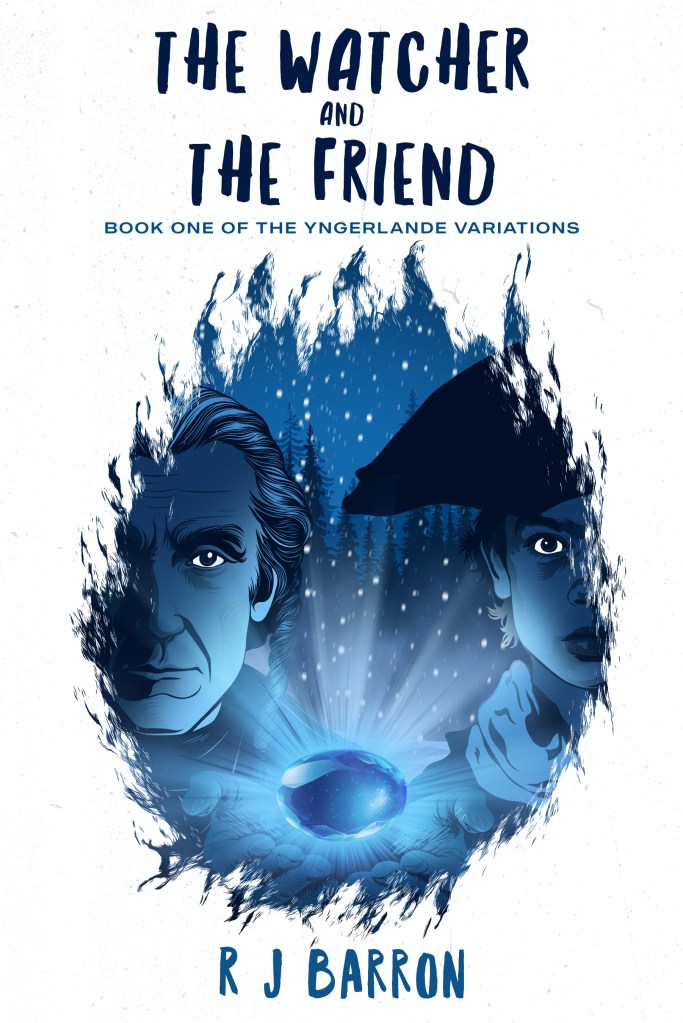
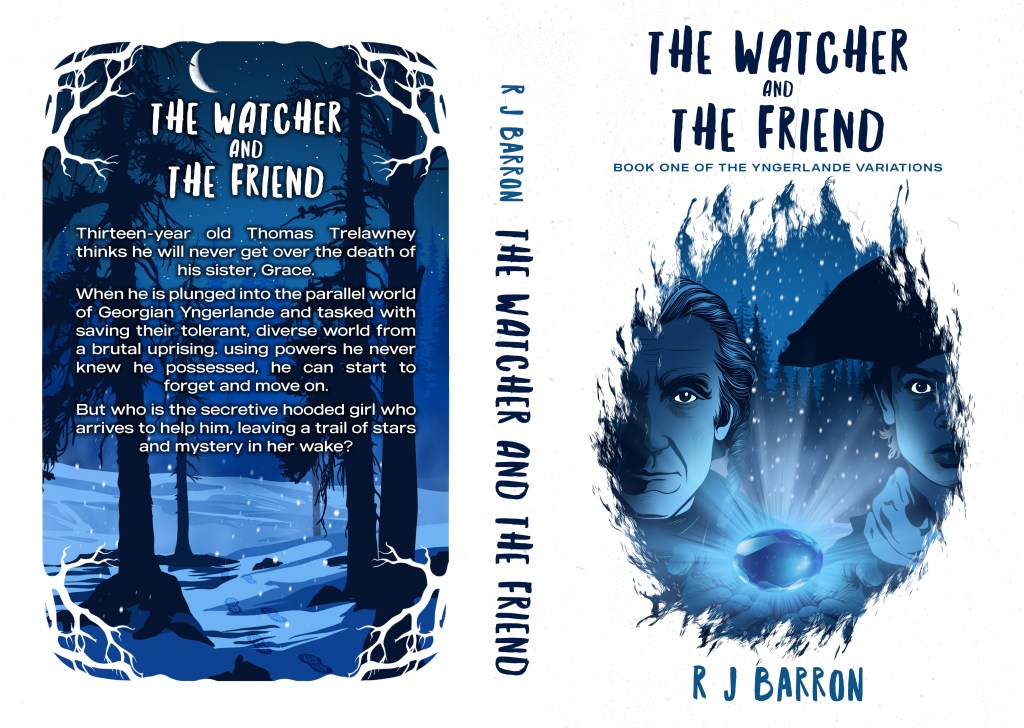
Book 1 in the trilogy, The Yngerlande Variations, is available here. The Watcher and The Friend: https://shorturl.at/4OAZK

The Land in Winter – by Andrew Miller

I’ve always believed the hierarchy of fictional respectability is just another manifestation of keeping the oiks in their place. Like the concept of a fine palate when it comes to food, having good literary taste is a device to be able to confidently feel and express your own superiority over the lumpen masses. At the top of this pyramid of worth, sits Literary Fiction, smoking a fat cigar, and flicking the ash at the lower classes s/he straddles: reading group fiction, detective novels, romance, horror, sci fi, through an ever-multiplying collection of genres and subgenres, ending in the sludge of graphic novels and comics.

You just need to give your head a shake to see that literary fiction is just another genre, with its own conventions and expectations. Language is privileged over plot, obscurity is King (or Queen), ideas rub shoulders amiably, sides are resolutely not taken, and difficulty is wholeheartedly embraced. If you can make the reader feel they are missing the point, that they just don’t get it, you’re on your way to the shortlist of some prestigious literary competition or other.

But then, every now and again, a literary novel comes along that stops me in my tracks and gives pause for thought, as previously unshakeable theories begin to teeter and the cracks spread. This one is the latest offering from Andrew Miller, The Land in Winter. He’s carved a niche for himself as a writer of historical fiction, comfortably sitting at the literary end of the spectrum, rather than the Brother Cadfael end. Novels such as Pure, and Now We Shall Be Entirely Free showcase his undoubted talent as far as establishing interesting characters and subtly drawn relationships in an entirely authentic and credible historical setting.

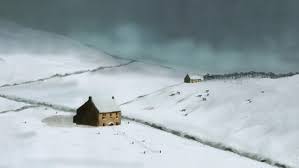
He’s done it again in The Land in Winter, but this time he has chosen an era still within living memory: the early 60s. To be more precise, his novel is located in the winter of 1962/63, a period that has entered the myth of our island story as the hardest winter since the frost fairs of the early 19th century.

This was a time when the whole nation was cut off under Impossibly deep snow drifts for months on end, from December until March/April. I was about six years old at the time and have vivid memories of walking to school through trenches dug in the snow on the pavements that went above my head.

It was a time before the swinging sixties. Pre-Beatles too, at least as far as their impact on broader society. Miller captures the grim, narrow atmosphere perfectly. This was a black and white England, before technicolor, still uncomfortably close to rationing, still in the grip of deference, hypocrisy and snobbery.

The book starts obliquely, in the grand tradition of literary fiction, with one patient at a residential psychiatric hospital, unable to sleep in the middle of the night, discovering the body of another, a patient who has committed suicide. Then they disappear from the novel completely. They do reappear, much later, after four other characters have claimed centre stage for themselves. By the time they do come back, the book has turned into something rich, deep and powerful via Miller’s quiet, subtle prose.

They are two recently married couples, Eric and Irene Parry, and Bill and Rita Simmons living in the middle of the countryside in the west country. Eric is the village doctor, Irene a middle-class Londoner more used to a life of art galleries and literary discussions. Bill Simmons is a farmer, trying to make a go of his recently acquired smallholding with his recently acquired wife. His father is an Eastern European immigrant, vaguely connected to London gangland, who has tried to remove all traces of his origins, while Bill is trying to cut himself off from his family and set out on his own. His wife, Rita, a working-class girl who met Bill when working as an escort in a dodgy bar in Bristol is troubled by the voices she hears, left alone on the farm all day as Bill works all hours to try and make a success of what is likely to be a doomed venture. The two women, bored and lonely, become unlikely friends.

The stresses that Miller has rippling beneath the surface become heightened as the snow falls and an isolated community is even more cut off than before. everyone is confined to their own homes and the stifling conformity and boredom reaches a pitch.

Everything is set up for a drama centred on women being oppressed by conventional men, but one of the novels great strengths is its subtlety. There’s a lot more going on here than that. Each of the four characters is given equal weight – there are no victims, no baddies and goodies here. Miller manages to create sympathy for each of them.

It’s also, for all of its quiet understated subtlety, a book that, by the end, has been full of action. The difference here, though, is that in Miller’s hands, there’s not a whiff of melodrama over twists and turns that wouldn’t be out of place in a soap opera. The plot developments are all the stronger, and more impactful, because he turns the volume down. It’s an object lesson in getting the balance right: plot, character, ideas and language are complementary threads in a pleasing whole, producing a novel that continues to resonate long after the last page is turned. So, yes, there’s life in the old dog yet. Literary fiction can still prove its worth and relevance – just don’t diss the rest while you’re enjoying it.

Ripeness by Sarah Moss

Professional Reader

What a lovely novel this is, from someone writing at the top of their game. Structurally and stylistically, it’s a treat, with alternating sections telling the stories of the same character, Edith, fifty years apart. The younger Edith tells her own story, in the first person, through the device of a lengthy letter to a child, to be read in the future, explaining the circumstances of the child’s birth and subsequent life. The sections dealing with the older Edith are set in rural Ireland and are told in the third person.

The sense of a whole life is given real substance by this technique, with the gaps and inconsistencies generating as much authenticity as the threads that clearly stretch unbroken through the fifty years that separate the two portrayals. What is the relationship between each of us and our younger selves? How much of our lives could have been predicted by the clues provided by our beginnings?

The book uses the two settings, 1960s Como and Ireland in the 2020s, to explore some weighty themes: Antisemitism and the fallout from the holocaust, refugees and immigration, what constitutes nationality and a sense of belonging, family bonds, conventionality versus bohemianism. All of it, though, is firmly rooted in character, relationships and drama. There are two major plot strands, but plot is not the narrative driver here.

It’s Moss’ gorgeous prose that drives the reader on. Well, this reader anyway. (although in the second half, there were a couple of occasions when I felt the reflective lyrical writing slowed the narrative down. I’m nitpicking, but hence the four stars, rather than 5). Beautiful descriptions of both the countryside around Como and small town/village life in the Republic are subtly blended with Edith’s reflections on first growing up and then getting old. Both are done brilliantly – her awkward, self conscious sense of being out of her depth in the artistic commune in Tuscany is as wonderful as her sense of self and certainty as an older single woman still grasping life with both hands. It’s a very compelling portrayal of that truth that one of the joys of later life is the liberation of not giving a toss what other people make of you, and doing it without being a boor or a reactionary old fart.

Honestly, this is a must read book. Beautiful and thought provoking.

A Cold Wind Blows – published on Friday May 30th

Book 2 in the Yngerlande Variations trilogy published by Burton Mayers books

The long awaited sequel to “The Watcher and The Friend” by R J Barron is published this Friday by Burton Mayers Books. “A Cold Wind Blows” is the second book in the trilogy, The Yngerlande Variations, set in the parallel world of Yngerlande in 1796. Here is the synopsis of the story so far. Warning! Spoiler Alert! Don’t read the summary if you have not yet read the first book and want to do so.

Tom has been summoned to help Silas and his allies defeat the relatives of the old King, Oliver and Jacob, who want to overthrow Queen Matilda and take the country back to a time when racism and discrimination were ever present. His task is made more complicated by the fact that he discovers that his sister, Grace, is alive and well in Yngerlande and is living there as a reward for her service when she was the Friend of Yngerlande. After many adventures and dangerous scrapes, they succeed, and Queen Matilda maintains her rule of peace, love and equality.

In “The Watcher and The Friend”, the first book in the trilogy, thirteen-year-old Thomas Trelawney is spending Christmas at an old Rectory on the North Yorkshire coast. It is the family’s first holiday since the death of Tom’s sister Grace. Here, Tom discovers a portal to another world and travels through it to Yngerlande, in 1795, with his cousin, Dan. Yngerlande is a parallel world to England, but is a much more diverse, equal society.

He meets Silas Cummerbund, who is The Watcher, the mysterious character who guards the portal between the two worlds. He tells Tom that he is the new Friend, the person whose role is to act as the link between the two worlds. This second book continues the story, as Oliver and Jacob return with another attempt to take back the crown of Yngerlande, only this time they are more dangerous and better prepared.

Silas has spent the summer training Princess Gaia, aka Clara to use her magic powers to their full extent, to be ready for any further threats to Yngerlande, but they are taken by surprise by the boldness of Oliver and Jacob’s new plan. A mysterious new character, Shrike, is introduced. He is by turns charming, dangerous, and duplicitous. Whose side is he really on? Even by the end of the book, that question is not clearly answered. One thing is certain, however. Thomas Trelawney is recalled from England to Yngerlande when everything looks lost. He does not trust Shrike, not least because Grace has fallen in love with him. Does Shrike have feelings for her, or is he just playing a clever game for his own ends?

“A Cold Wind Blows” begins eight months later.

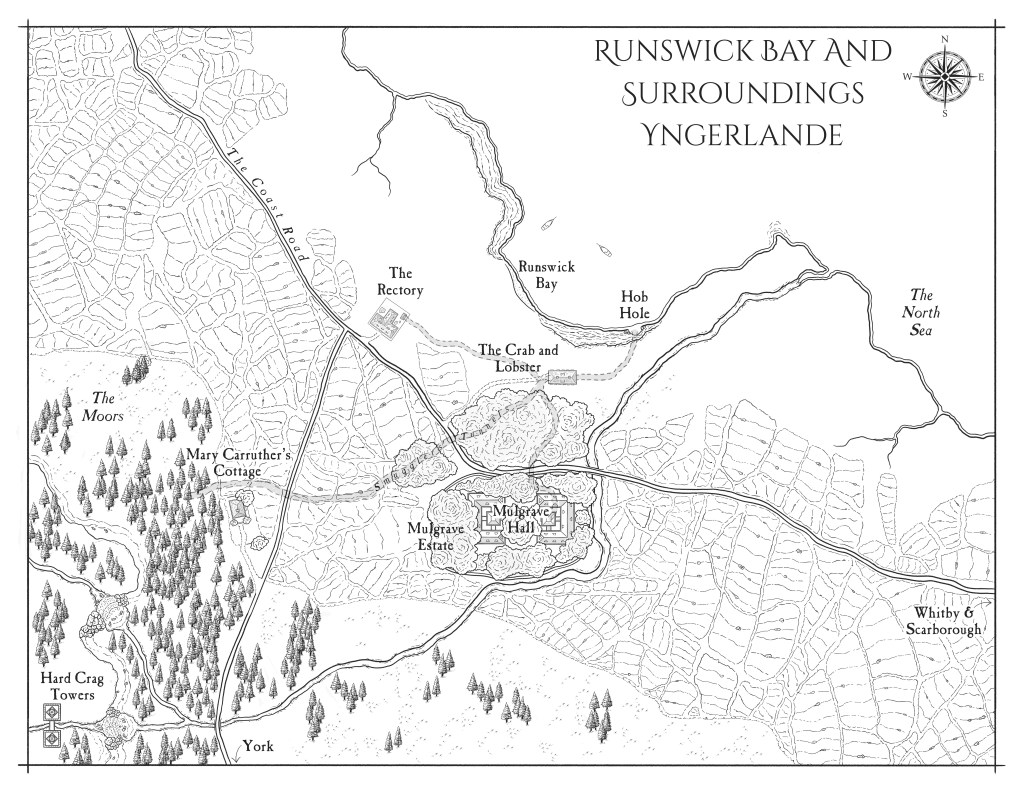
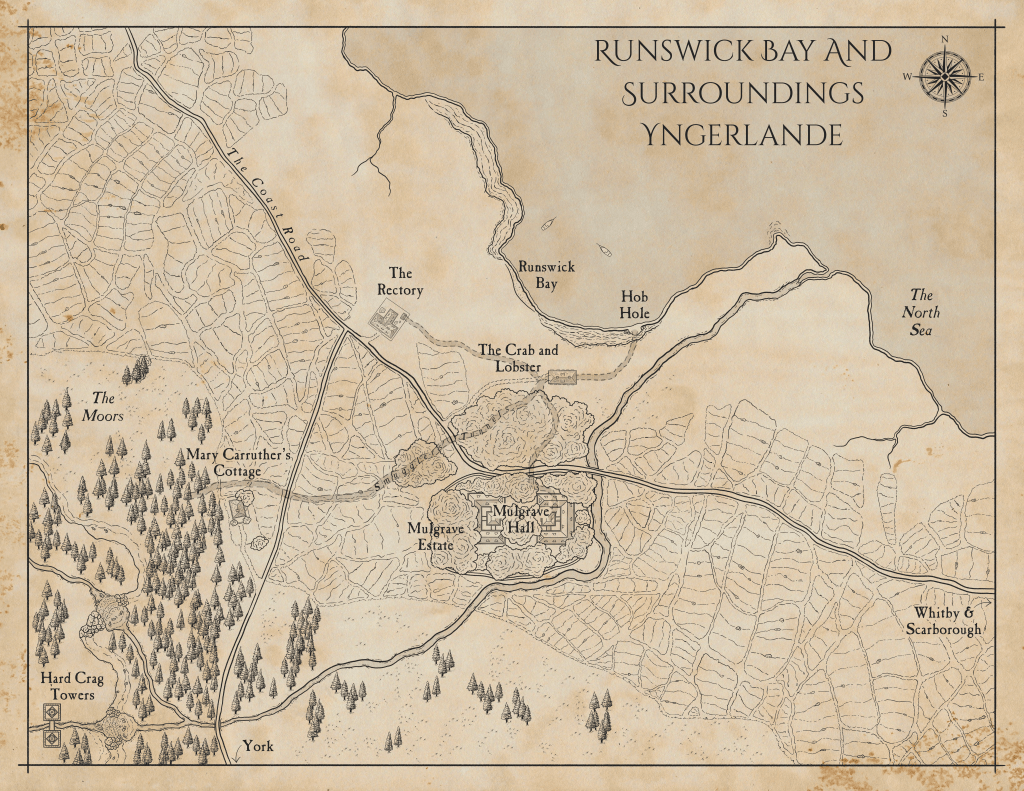
The story takes in the wild North York Moors, Runswick Bay, Mulgrave Hall, the crumbling ruins of  Hard Crag Towers, with its menagerie of bats, steedwings and owls,  and the ancient city of York. It’s full of adventure, peppered with cross dressing, betrayal, vengeance, disguise and murder, with a liberal sprinkling of romance, friendship and love.

This is a must-read YA adventure, that is aimed at everyone from 9 to 90 who loves Fantasy novels. It’s available from the following links:

https://www.amazon.co.uk/s?k=a+cold+wind+blows+r+j+barron&crid=H08N4ZNJ851M&sprefix=a+cold+wind+blows+r+j+barron%2Caps%2C176&ref=nb_sb_noss_1

https://www.waterstones.com/book/a-cold-wind-blows/r-j-barron/9781917224116

https://www.brownsbfs.co.uk/Product/Barron-R-J/A-Cold-Wind-Blows/9781917224116

To buy Book 1, The Watcher and The Friend, use these links. Please note: the Amazon link gives you a free preview, but shows the old cover
https://www.waterstones.com/book/the-watcher-and-the-friend/r-j-barron/9781838345921

Isla by Jim Pollard – A Review

This novel should be number one on your summer reading list this year

Isla, the new novel from award winning writer, Jim Pollard, is a real treat. It tells the story of Isla Shaw, a student in London in 1983, taking us through the formative events of her life up until 2018. She shuttles between London and Paris between those years, in pursuit of jobs, relationships and some sense of meaning and contentment. It’s an intricate portrayal of a life as a series of seemingly random yet connected scenes, with twists and turns resulting from decisions taken or not. There’s no smooth character arc here. Stuff happens and Isla deals with it, sometimes well, sometimes disastrously, but always with a sense of being true to herself.

The random nature of life is emphasised by Pollard’s clever use of structure. After a fairly conventional linear opening, the story splinters into pieces taken from the immediate future and the medium-term future. The reader is left to do a lot of work reconstructing events, trying to ascribe cause and effect in the relationship between events. Occasionally the reader is given a banister to hold on to, when a chapter is headed by a date and a location, but you soon get used to not being able to rely on that every time.

The book is set up to deliver a story of how someone can recover from a devastating event in her life, charting her progress through the aftermath, but then, without warning, it does a somersault and shifts into detective mystery territory. The shift comes out of the blue, and revitalises the narrative drive of the story.

There are many notable pleasures in the novel. The evocation of Paris seen from the perspective of a damaged newcomer, grappling with a change of culture and language is very well realised. The atmosphere of Parisian cafe culture, both glossy and a little more alternative, is seductively rendered, leaving one scouring the internet planning your next Eurostar trip.

The same is true of the character’s reflections on life and love. Because of the first person narrative, most of these reflective passages are Isla’s reactions to the events as they happen to her. Pollard takes a risk with this. In a lesser writer’s hands, they would degenerate into discursive rambling that actively dilutes the forward momentum of the plot, but Pollard manages the balance between action and thought superbly well.

This is partly achieved by the empathy he has created for Isla. We are interested in her thoughts about the world, both her own little world and her relationships, and the wider world of politics and events. From the beginning, her’s is a completely believable, authentic voice that both changes over time as life batters her and essentially remains the same. In that, and in so many other aspects of the book, the writing is wise and insightful. Isla’s journey, via therapy and relationships, with detours into the cul de sacs of drink and drugs, champions the notion of the value of a life examined. “Talking about it” emerges as one of the few reliable routes to stability and contentment. And not even that provides guarantees.

A lovely book, more than worthy of your time this summer. Available in bookshops and online including Amazon (https://www.amazon.co.uk/Isla-Jim-Pollard/dp/0995656304 ) but it’s easier and quicker to buy direct from the distributor at: notonlywords.co.uk/isla

Buy it, read it, and spread the word.

Shorts

Some of the things I’ve been reading recently

Professional Reader

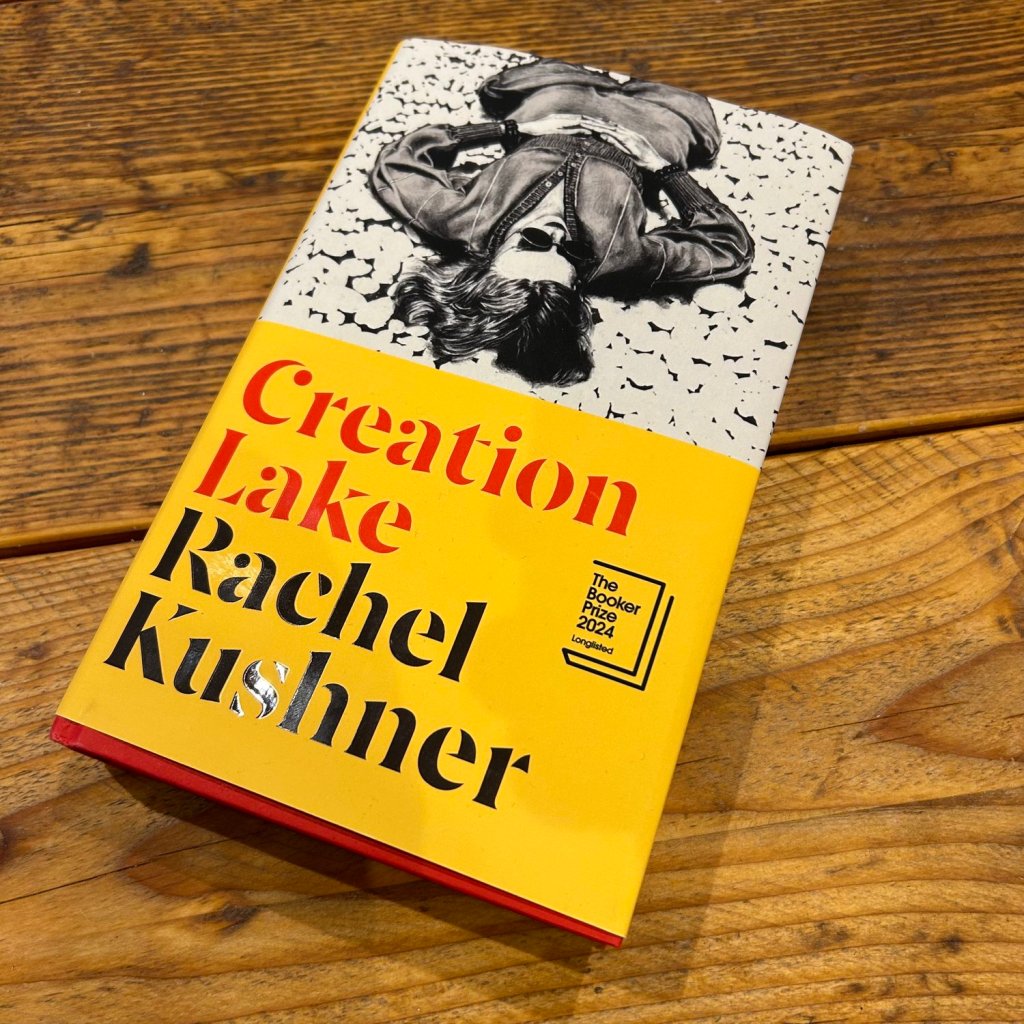
Creation Lake by Rachel Cushner

Another novel that makes you seriously fear for the judgement of Booker folk. Shortlisted this year, you would at least expect competence, even if it’s not a total surprise that it doesn’t live up to the breathless hype of the critics. I loved The Mars Room, her last novel, so came to this with great expectations, particularly after reading the juicy quotes lifted from reviews: “Reinvents the spy novel in one cool, erudite gesture….a gripping philosophical thriller”

“Fast paced noir”, “smart , funny and compulsively readable”

Seriously, these quotes come from the same stable as J D Vance describing the main threat to Europe as coming from within and referencing attacks on Free Speech and Democracy. They are so far from the truth (Vance and Cushner’s reviewers) as to be actionable under mis-selling legislation.

Just like The Republicans/ Conservatives and The Rule of Law, Cushner seems to think that rules about showing and telling apply to everyone except her. Vast tracts of reported back story, about several indistinguishable characters slow this down into a dull trudge. Presumably it’s a “philosophical thriller” to compensate for the fact that it couldn’t possibly be sold as an “action” thriller. (or what we used to just call a “Thriller”) It also references the ludicrously pretentious ramblings of lefty intellectual Bruno Lacombe who lives in a cave and communes with Neanderthals. 

Here’s a taster: “In my Cave.. under my cave, welling up from deeper passages, I hear so many things…I hear voices. People talking….whose voices are eternal in this underground world, which is all planes of time on a single plane. Here on Earth is another earth. A different reality, no less real.” There are pages and pages of this drivel. Even his dwindling band of acolytes, holed up in a French rural idyll, finally despair of his frequent bouts of teaching via interminable emails: “He  (Bruno) claims his cave is a temporal labyrinth that holds the answers to the great riddles. At first, we all got  kind of sucked in. But when you pull away, it starts to seem like madness.”

Now that last sentence would have been a more truthful quote to plaster over the cover.

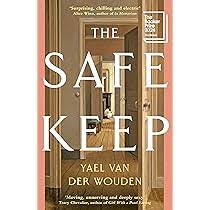
The Safe Keep by Yael Van de Wouden

From the ridiculous to the sublime. Another Booker listed novel, this time a debut from Dutch writer, Yael Van de Wouden. Set in early 60s Holland, it deals with the hidden aftermath of Second World War Dutch complicity in the holocaust, via the story of Isabel, a single woman not quite thirty, who lives alone in the family home. It belongs to her older brother Louis, a serial womaniser who shows no signs of ever wanting to settle down, but the threat of eventually being evicted weighs heavily upon her.

The house functions as an emotional stabilising weight for Isabel, whose awkward loneliness and social unease, chip away at her self esteem to such an extent that she comes across to the reader as an angry, unfulfilled, unsympathetic protagonist. She guards her independence and solitary life in the house assiduously, and is appalled when she bounced into helping out Louis by having his current girlfriend, Eva to stay when Louis is away for several months because of work. We also encounter her younger brother, Hendrik, in a gay relationship at a time when Holland was not the hotbed of enlightened social attitudes it is today.

The hostility that first characterises Isabel’s attitude to Eva gradually gives way to grudging acceptance before she finds herself swept away by a torrent of feelings she has denied herself  for so long. This changing relationship, and Isabel’s struggle to embrace the change,  is more than enough to carry the book. It’s subtly but powerfully conveyed, but the final section of the novel elevates it to an even higher plane, as a Fingersmith type shift changes everything. By the end, a beautiful and affecting novel.

Wild Houses by Colin Barrett

Yet another from the seemingly endless conveyor belt of excellent Irish writers. This is Barrett’s debut novel (though he has done a couple of short story collections) and it’s great. It focuses on the resolution of beef between petty criminals and drug dealers in County Mayo. A memorable collection of characters and settings produce an entertainment that resonates long after you’ve finished reading.

Dev, the reclusive man mountain and Nicky, the hostage’s long suffering girlfriend (yes, that’s right, hostage) are particularly well drawn, with subtlety and sensitivity. Cushner could learn a lot about how to deal with back story from this. Barrett proves himself no slouch when it comes to lyricism either. This to describe one of the scary guys:

“He was touching forty but looked ten years older again, with a face on him like a vandalised church, long and angular and pitted, eyes glinting deep in their sockets like smashed out windows”

The chill that sends down the spine is fully justified, believe me, as the story unfolds. Colin Barrett is one to keep an eye on, I reckon.

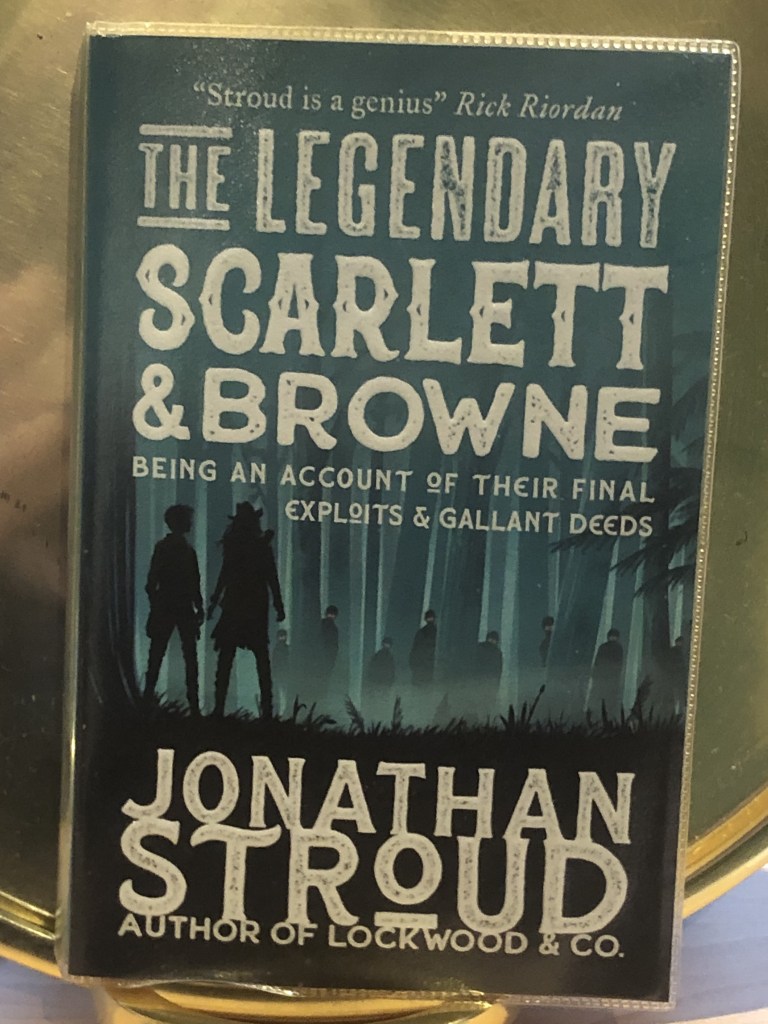
The Legendary Scarlett and Browne, being an account of their final exploits and gallant deeds by Jonathan Stroud

The only sadness about this book is that it’s the final part of the trilogy, so we can no longer eagerly look forward to the next installment. That’s it. Finito. Done. Over. I was completely bowled over by the first book, and went through Stroud’s back catalogue voraciously. The Lockwood series is wonderful as well and it’s a huge mistake that the TV adaptation was so brutally culled after only one season.

Stroud (despite the “genius” tag on every cover) is still under the radar for some bizarre reason and frankly, he’s a genius. Can’t think where I got that from. He is the master of controlling a children’s  adventure story, manipulating cliff hangers, pacing dialogue and lyrical description effortlessly. Read the first chapter and marvel. It should be compulsory reading on Creative Writing courses as a model of economy and effectiveness in how to start a novel to hook the reader. But as well as the nuts and bolts of a twisty page turner, Stroud gives us subtlety and feeling. The developing relationship between Scarlett and Albert is so delicately done and brings a tear to the eye, but without the reader ever feeling manipulated. There is an authenticity and a truth to his writing that is rare. Do yourself a favour: buy all three books, wallow in them and then tell everyone you know who is interested in children’s fiction to do the same.

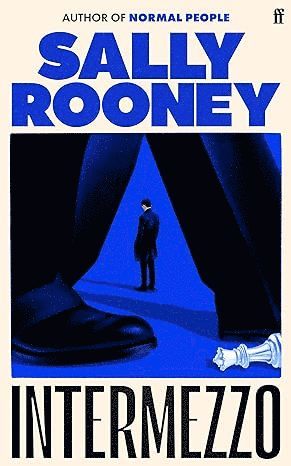
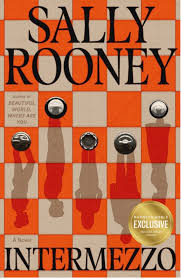
Intermezzo by Sally Rooney

Sally Rooney seems liberated by slipping under the radar for the release of her fourth novel.

The release of a new Sally Rooney novel is an event, something to look forward to and savour when it finally comes. There was a lot riding on this novel, her fourth in 6 years. Her last outing, Beautiful World Where Are You?, was a disappointment, particularly after the fireworks of Normal People. Self indulgent, too obviously autobiographical, too self conscious of her place as an up-and-coming superstar of letters, it was dull and strangely irrelevant, like the third album from your once favourite rock band whose new songs are all about alienation of life on the road in hotel bedrooms. Seriously guys, who cares? On the back of that, I’m particularly happy to report that Intermezzo is an unalloyed triumph and a step up into a seemingly effortless maturity as a writer.

I don’t know if I missed something, but there didn’t seem to be the same hype about this novel. A bit of pre publication publicity, to whip up interest and anticipation, but then, on release, it all seemed to go quiet, as if Rooney was no longer the bright young tyro. And publishing, like every other industry that flogs culture, loves nothing more than something new and shiny. So it made for a strange experience when reading the latest Rooney. It was like reading any other novel- lower expectations, without the annoyance of negotiating all that young person social media stuff that so characterised her earlier work. It seems to have liberated her, not having to perform, to live up to her persona, and instead to focus on producing an immensely satisfying novel.

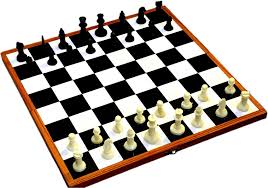
It’s contemporary, about a tangle of romantic relationships, with plentiful graphically choreographed sex scenes, set in the Republic of Ireland (so far, so Rooney), but it’s so much more than that. It tells the story of two brothers, Peter and Ivan, miles apart in so many ways (age, job situations, outlook, relationships), who are dealing with the aftermath of the death of their father. Ivan, the younger by ten years, is on the spectrum and has a hand to mouth “career” in Data Analysis. His real talent, however, is for chess.

Once a teenage prodigy, tipped for greatness, he is on a downward curve when the book begins, competing in minor, local tournaments. Peter is a Dublin lawyer – successful and sophisticated in both his career and, on the surface, his relationships. They are virtually estranged from each other and the novel traces their  attempts to make sense of their relationship, and of the world, in the light of their bereavement.

Both Peter and Ivan are in relationships where there is a significant age gap. Peter is instinctively judgemental about Ivan taking up with a divorcee ten years older than him, while seeing no problem in his own relationship with a much younger woman. Rooney examines the immense pressures felt by the older woman, from the Catholic Church, her friends, neighbours and family, such that she keeps it a secret for as long as possible. It’s just one of a series of “issues” Rooney deals with in a subtle and humane way. Most impressive is her avoidance of cliche and stereotype when portraying the main characters and their relationships. They are warm, unflinching sympathetic portrayals. She recognises them principally as human beings, individuals, rather than just types and the novel is richer, more complex and more satisfying as a result. Her sensitive portrayal of two men, completely inhabiting each persona in the distinct sections of the book is unusual and brilliantly convincing. If this had been a male novelist portraying women in such an authentic and nuanced way we would never hear the last of it. They both navigate complex relationships, with their mother, with each other and with significant women. They both make crass mistakes. As a result, they are entirely compelling and credible.

Stylistically, it’s a very interesting departure for Rooney. It’s told in alternating styles to correspond to the two main characters. Ivan’s story is immediately more engaging. The traditional third person narrative is warm and engaging, and the reader instinctively takes his side, as a picture emerges of a sensitive, thoughtful young man who has grown up in the shadow of his more extrovert, bullish brother.

The sections that focus on Peter use a distancing, staccato style of repeated brusque observations of the world and the people in it. At first, that becomes annoying very quickly, and you can’t wait to return to the more soothing world of Ivan’s narrative. But then, over time, the style differentiates the two worlds on an emotive level, in the sense that the reader feels the tension and discomfort of Peter’s world through the prose style and it becomes clear that Rooney has cleverly represented Peter’s state of mind. It functions like a verbal equivalent of impressionist painting. Positively pointillist, in fact.

One of the more annoying characteristics of serious literary fiction is that very often, in order to signpost their command of their art, too many writers make “bold” decisions about style. You know the sort of thing: no paragraphs; no full stops; writing the novel backwards. They are often disastrous in terms of reader enjoyment and I feared at first that the same sort of thing was going on here. But no. It actually works brilliantly. (Although I still cling to my conviction that Rooney’s insistence on not using conventional speech marks, is a similar, entirely redundant stylistic tic that serves only to irritate and draw attention to itself, like a loud precocious child at a party.)

The other outcome of alternating between Ivan’s experience and Peter’s is that it underlines one of the central points of the novel: self reflection, self absorption can seriously sabotage relationships, between brothers, lovers, friends, parents and children. The reader can see the obvious love that exists between these pairs of characters much more clearly than they can themselves. Resolution, when it comes in all its forms at the end of the novel, comes as a relief, not as an annoying sentimental cop out, because we’ve been screaming at them silently throughout the book, “Just tell him (or her), for gods sake!” Rooney is excellent at exploring the fall out resulting from not communicating honestly and openly because of the fear of what might happen. She did it brilliantly with Marianne and Connell in Normal People and repeats it here. As Elvis Costello told us so presciently all those years ago, “It’s the damage that we do and never know/It’s the words that we don’t say that scare me so.”

Notwithstanding my churlish note about Speech punctuation – a tiny pinprick of irritation in a sea of pleasure – Intermezzo is a wonderful novel from a writer just getting into her stride. There’ll be a lot more to come from her, I’m sure of that. Can’t wait for the next one!

Caledonian Road

O’Hagan triumphs with that rare beast – a State of the Nation novel with heart.

The latest novel from Andrew O’Hagan, Caledonian Road, is a big beast, in every sense of the term. Physically, it’s got some heft. 640 pages of hard back book makes demands on the wrists. It’s also dealing with weighty, contemporary issues, so all told, the experience of reading it provides a holistic mind and body workout. Sounds like a week at a Spartan health farm, where the motto is no pain, no gain, but fear not dear readers, this novel also provides pure pleasure.

O’Hagan handles the intermingling of the personal and political with real skill and delicacy. A lesser novelist would have eschewed ideology and party politics for fear of committing the ultimate sin in the eyes of the serious, sensitive, superior and above-the-fray Literature Critics, that is the sin of taking sides. Ideology is both vulgar and limiting in this fragrant, lofty world. Evenhandedness is much more mature, much more subtle, much more human, darling. Perhaps. It’s certainly much more boring, in my opinion.

O’Hagan says a hearty bollocks to that and has dived in headfirst to this dissection of contemporary London society, and the power structures that both drive it and destroy it. He does it primarily through great storytelling. The novel succeeds first and foremost on that fundamental, primary level. The characters, their relationships, triumphs and disasters are memorable and compelling, even the utterly ghastly ones. Maybe especially the ghastly ones.

For the protagonist, Campbell Flynn, O’Hagan treads well-travelled paths. Working class lad done good, from the grim dereliction of 1970s  Glasgow, Flynn at the time of the novel’s start is an academic, a cultural commentator, and a media darling down in that there London. Not a million miles away, obviously, from O’hagan’s own background, material previously plundered in his exquisite Mayflies. And not just London, but very specifically Kings Cross, an area recently reinvented by money and gentrification, but one which has pungent resonance for any refugee from the North. As a first entry point for East Coast  Scots and Northerners, its streets, legends, and institutions retain a powerful grip on those arriving wide eyed from the sticks. Judd Street, the Eight till Late, the Scala, Peabody housing, Squats and Short Life flats, ULU, one hour rooms in lines of seedy hotels, kicking used syringes and condoms to one side leaving one’s flat in the morning – they are all part of the memory kaleidoscope conjured by the name Kings Cross.

As a big beast, the novel is teeming with characters, so much so that O’Hagan thoughtfully provides a cast list of two fully crammed pages. It’s essential if you want smooth passage through this behemoth, and a trick that Dickens himself could have profitably employed. The plot is multi-stranded and brilliantly handled, so that by the time the book has reached the halfway point, every time a new section of the book begins, there’s a sense of excitement at the resumption of that particular plot thread. That happens for all of the separate threads. That’s a real achievement. Usually, there’s always at least one thread that the reader has less engagement with, where you feel you’re treading water and sticking with, out of a sense of obligation. Here, all of them sing.

It’s a novel with laudable ambition, tackling big, serious issues. Any analysis of the current, woeful state of the UK would examine these topics in some depth, and O’Hagan looks them straight in the eye and explores them with both a pitiless forensic gaze and nuance, which allows him to eschew simplistic judgements and portray the issues and the characters with multilayered complexity. These are not the scribblings of a naive schoolboy marxist. He manages to cover

  • People trafficking
  • Cancel culture
  • British exceptionalism
  • The aristocracy
  • Public Schools
  • Russian money laundering
  • Social Media
  • Celebrity Culture
  • Gentrification
  • Housing 

All of this produces an excoriating picture of the malign influence of the British establishment, their sense of entitlement and superiority, and the devastating impact they have had on destroying Civil Society for everyone except the super rich. The “freedom” this class espouses becomes simply freedom for millionaires to become billionaires without the state interfering.

There will be readers at this point who are thinking, “Bloody hell, this sounds far too political for me. I don’t understand this stuff and/or I just want a story about people and relationships” Keep the faith, you apoliticals! O’Hagan delivers on that front as well, with a huge range of individuals and families, all of whom, even the nasty Tories, are portrayed sympathetically. It’s Dickensian in that sense, and similar in many ways to Zadie Smith’s White Teeth. An energetic, densely populated romp set in multicultural, class-riven contemporary London, it is, like Dickens, a serious work masquerading as an entertainment. Or the other way round.

There was one dud note for me at the beginning. His portraits of Media stars, the establishment, and the political classes all rang true and had the hallmark of authenticity. I found, at first, his depiction of knife wielding, estate dwelling, drug dealers less successful. It felt as if he had spent some time eavesdropping on an unfamiliar underclass and had produced a two dimensional portrayal. By the end, however, I was convinced and O’Hagan had totally won me over. This is A Great Novel, and I can’t wait for the adaptation, film or TV. Already commissioned, apparently.

My Novel of the Year – by a mile.