
In December 1979, Johnny Jewell was 22 years old. He had three main passions in life: Football, Music and Reading. This is what he and his friends were listening to.
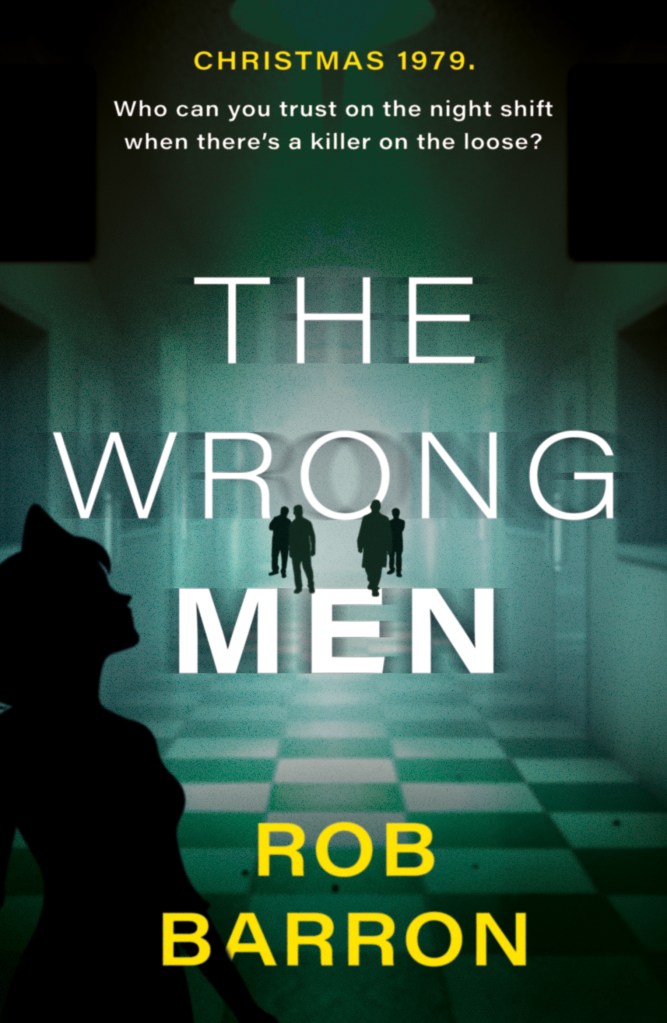
My new book, The Wrong Men, published by The Book Guild on March 28th, is a murder mystery set over Christmas 1979, and features Johnny Jewell, a 22 year old English graduate who is working as a porter in York District Hospital. To give readers a flavour of that time, I’ve included a link to a Spotify Playlist of the key tracks that Johnny and his friends were all listening to then. It’s an eclectic mix: some of the songs are mentioned in the novel, some relate directly to the themes of the book, and some are there just to give texture and atmosphere. They are what he was listening to in that period of his life.
You can pre-order the book from Amazon here: https://shorturl.at/JoiAh
Scan the QR code for the Spotify Playlist

Some younger people might look at the list and jump to an obvious criticism, bolstered by some rudimentary research. “Big mistake – that song wasn’t released in 1979, it was from 1971. Shoddy work!” It’s true, there are many tracks from earlier times, but there are none from after January 1980. I was sorely tempted to include Happy House by Siouxie and The Banshees, notable for their live performance on Top of the Pops, (where Siouxie conclusively demonstrates the superiority of two pockets full of glitter over a panoply of computerised special effects). Eventually, integrity persuaded me to leave it out, comforted by the fact that it will appear in the sequel to the story.
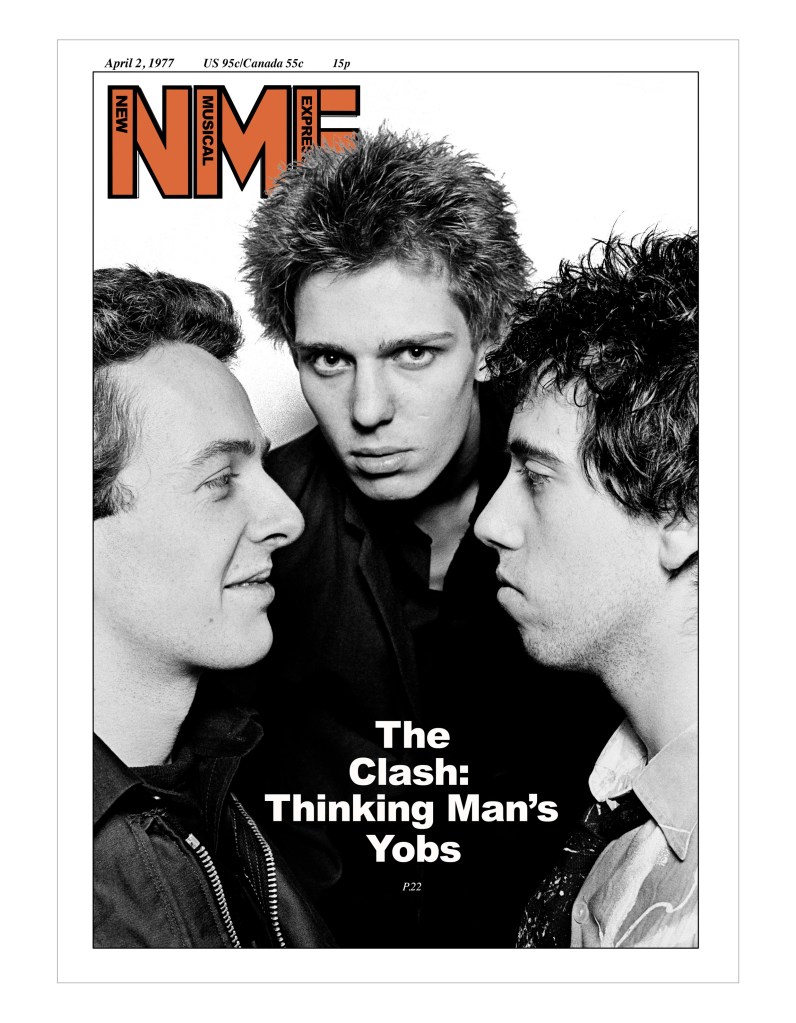
So there is some rigour to the choices, and they reflect the reality for a young music aficionado with little disposable cash to hand. The truth is, back in those pre -internet, pre- Spotify, steam -powered days, finding out about new music and buying new music was a very different thing to its equivalent today. We listened to the radio (mainly John Peel after the pub, but also Alan Freeman on a Saturday afternoon) We read the music press. The Thursday purchase of The New Musical Express was a thrill that its hard to fully explain to today’s kids. It was The Bible for Leftie music fans– funny, authoritative, alternative, well-written and informative. Sounds and Melody Maker would be tolerated, but they were a pale, thin replacement for the real thing.
Once you had triangulated a list of potential new purchases from the radio and the NME and gossip, you could begin to edge towards doing the deed. But back then, an album cost about £4.99. Just to give you a marker, at the same time a pint of beer was about 40 pence – more than ten times the cost. Just do the basic maths, using the average price for a pint today, and you begin to get some idea of the scale of the investment.
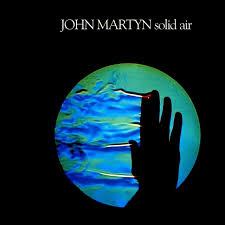
This alone explains why the average student’s record collection would only contain a handful of new releases, and their listening experience would inevitably involve recycling their back catalogue. A stack of LPs would be regularly out of their sleeves for a play. The second factor to bear in mind was the iconoclastic effect of having experienced the punk revolution, which turned everything on its head. What were you supposed to do with your lovingly curated collection of Prog rock albums? Could you still retain any street cred and play Yes, for example? Many of us did that kind of listening in a solitary and secretive fashion, saving the latest music for communal experiences. Some old stuff, deemed “classic” managed to straddle the divide and in some ways were an even greater indicator of your superior music taste – hence the inclusion in the list of Van Morrison, John Martyn etc.
The tracks that made it on to Johnny Jewell’s playlist all have a back story. Here are just a few of them.
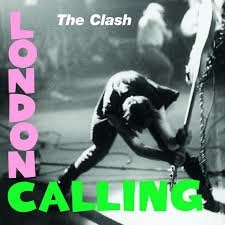
- The List kicks off with “London Calling” by The Clash. It had only just been released when the book starts on December 21st, 1979, but this is an example of another kind of purchase. The Clash were firm favourites for Johnny and his chums and no research was needed. London Calling was confidently bought on the first day of its release.
2. There’s a middle dance section in the playlist, to mirror the Party episode in the middle of the novel. Much time was spent by Johnny and his chums compiling mix tapes for parties. In such tapes, Funk was held in high esteem: James Brown, Funkadelic, Parliament and Stevie Wonder were key players, and The Jacksons, criminally underrated, never failed to make the cut.
3. Solid Air, Hard Nose the Highway and Take Me to The River are moody, late night, after the party listens. Chilling, chatting and winding down. Stuff happened between people when these were playing.
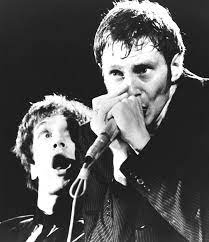
4. A word of clarification about the Dr Feelgood track, Because You’re Mine. The Feelgoods were a big thing in the mid – late Seventies, and acted as a bridge between Pub Rock and Punk. Live, they were thrilling, particularly the manic attack of Wilco Johnson’s extraordinary guitar sound and style. They crackled with tension, live and on record. Sonically , they were supreme. Lyrically, well, that’s a different story. They fully reflected the sexist world of the Seventies. Their gigs were a very male affair – it was rare to spot women there, and Because You’re Mine is a classic representation of the attitudes that prevailed at the time.
It’s included because of that – this was the world that Johnny inhabited and was trying to navigate. We thought for a long time that most of those battles had been fought and won, but nothing can be taken for granted in these dark days of populism, when Neanderthals like Andrew Tate, inexplicably hold sway with young men. The just released statistic that 33% of Gen Z men believe that wives should obey their husbands is a chilling reflection of this sliding back to the Dark Ages. Listen to the Feelgoods, read the book and fight back!
For the rest, many of them have lyrics or ideas that directly relate to the story of The Wrong Men. How many can you find? What would be on your own playlist from when you were twenty two years old?

 The Old Grey Owl