
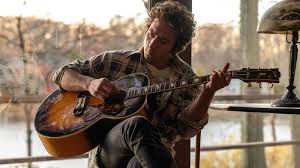
Slim pickings at this year’s London Film Festival. We struggled with the appalling BFI website, spending many hours lost in its labyrinthine highways and byways, before finally managing to acquire tickets for just two films: Hamnet, directed by Chloe Zhao, and Springsteen: Deliver me from nowhere, directed by Scott Cooper. Hamnet was a juicy treat – a wonderful book that deserved and got, a wonderful film, but it’s not released until January, so you’ll have to wait until then for the review.
The Springsteen film, however, is a horse of a very different colour. It’s out now, so let this review serve as a warning. Go and see it, by all means, but don’t come crying to me afterwards.
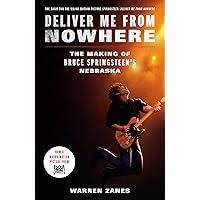
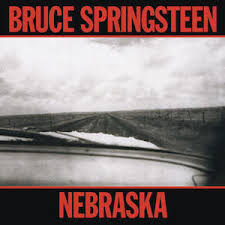
It’s based on the 2023 autobiography, Deliver me from Nowhere, by Warren Zanes which like the film focuses on a narrow slice of Springsteen’s life, the period after releasing The River when he infuriated his record company by not going for a commercial follow up, concentrating instead on a stripped back minimalist folk album, harmonica and all, Nebraska. These struggles led to a nervous breakdown of sorts and the book looks at the periods of depression that have plagued Springsteen throughout his adult life.
So what’s wrong with it? Firstly, it takes a fairly basic approach to linking his depression with his childhood. The flashback scenes show us Springsteen senior, played by Steven Graham as a brooding, simmering, silent, fearful presence. There’s little analysis or explanation and it comes across as something of a GCSE Psychology project – thin and cliched. Ironically, the film is saved from a two star rating by the scenes at the end of the film when Springsteen visits his father in LA, and there are some genuinely touching moments between son and father, as regrets are tentatively expressed.
The simplistic linking, though is echoed in the film’s attempts to suggest the inspiration for some of the songs from the album. A scene of driving past an old mansion on a hill, apparently is the inspiration for the song called, err, Mansion on the Hill. Why? Who knows? This technique is repeated throughout the film in an attempt to make the uncinematic, private, long, difficult process of writing into something dramatic or visually striking. It fails and comes across as someone’s first attempts to make a music video in 1983.
Jeremy Strong puts in a solid performance as Jon Landau, Springsteen’s manager, who defends his guy against all criticism from the record company, though this too comes with some difficulties. Landau is essentially a tremendously dull character, a fact underlined by the fact that in many scenes, the most interesting thing going on is the spectacular range of round neck Marks and Spencer type lambswool jumpers that he wears. The bottle green one was particularly fetching. There are also recurring scenes with his wife that essentially just allow him to explain the issues to her (and therefore the audience) re the record company locking horns with Bruce. A really tremendous part (not) for Grace Gummer.
I can’t help comparing it with A Complete Unknown, the Dylan biopic from last year. That was a joyous, glorious ride of a film, one that delivered you into the foyer after two hours or so with a dazed, permanent smile on your face. And the key difference is the music. The Dylan film was a conveyor belt of great song after great song. And great in the sense of not just the lyrics or melody or sound, but in the sense of being groundbreaking. You don’t get groundbreaking from Springsteen. He trundles along a much narrower set of tracks, and in the end is just a wee bit samey. Sorry Springsteen disciples, but that’s just the way it is.
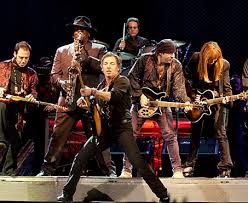
His strength is in live performance. Watching Bruce and the E Street Band in concert is a transformative, life enhancing experience. And, of course, we get none of that here. Just a couple of perfunctory scenes of Springsteen guesting with some friends at a small venue in New Jersey. What a waste!
In the end, I was left feeling rather sorry for Jeremy Allen White, who has said working on the film left him feeling rather unwell. I’m not surprised. After this and The Bear, he needs to get away from brooding, intense men of few words with intimacy issues. Maybe it’s time for a RomCom, Jezza.
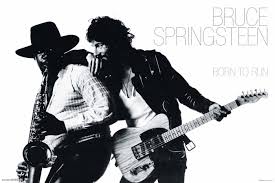
As for Bruce, I prefer to think of him like this. Romantically glossing over the reality of a difficult life perhaps, and maybe the film deserves credit for trying to be a slightly different Music Biopic, but sometimes you just want your heroes mythologised.
Overall verdict: A Dull Trudge.

 The Old Grey Owl